Categories
Archive

Archive: Penn’s Accountability Deficit Needs Addressing

Op-ed from the Daily Pennsylvanian. Original: https://www.thedp.com/article/2022/10/penns-accountability-deficit-needs-addressing

In January this year, M. Liz Magill was unanimously selected to be the President of Penn by the board of trustees. In her acceptance message, she talked about building on a legacy of “making a difference” through “pragmatism, creativity, and humanity” and expressed her desire to work with the whole Penn community to achieve that. The issue is, though, that that community isn’t who she answers to — instead, the only ones with any power over her are the board themselves, a detached group of alumni and bureaucrats who most of us will never get to see or meet.

The President functions much like a politician: She makes decisions about what goes on in the University and represents us to the outside world. The key thing about (democratic) politicians, though, is that we can hold them accountable — when they let us down, we don’t vote for them, and they lose their jobs. The issue with the Penn administration is that they don’t grant us that mechanism. Sure, there’s the Undergraduate Assembly, which does some great work to improve our campus, but even that can only make recommendations to the administration. They have no reason to take those recommendations on board and no reason to engage with any other student bodies. So, they don’t. 

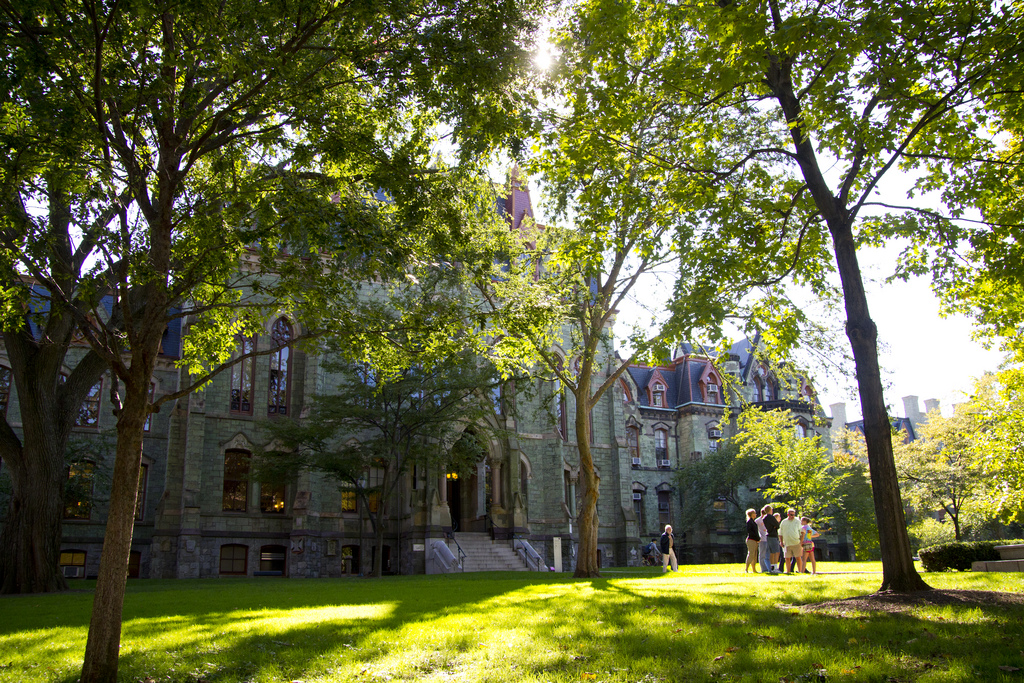
For instance, they’ve been threatening and intimidating the Fossil Free Penn encampment on College Green since its inception but have yet to be reported as meeting with them about their demands. So much for working with “faculty, students, staff, alumni, and community members” as Magill pledged to do when she got the job.

I’m sure that you can see what I’m getting at — there is a serious accountability deficit here. On one hand, it makes sense — it’s not like we can realistically threaten Penn with dropping out en masse if they ignore our demands. But when the University repeatedly avoids talking to student advocacy groups and takes eight months to respond to issues such as the UC Townhomes sale (which also has widespread faculty support), they’re demonstrating a blatant and deliberate disregard for anything the Penn community cares about that might be inconvenient for them. 

And while we can’t threaten any staff’s positions directly, I find their cavalier attitude to be unwise: For an institution that relies on alumni donations, they’re doing an awfully bad job at making current students want to give back. Regardless of what the reality is, we’re meant to be members of a community, not customers of a business — we deserve a legitimate voice.

Now, Penn’s administration doesn’t have to enact every last desire of its students, no matter how socially prescient — if it did, I doubt an endowment even as big as the one it has would last very long. While I absolutely believe that the University should divest from fossil fuels (a move made by most other Ivies thus far), help the townhomes, and make its vast wealth work to benefit the West Philadelphia community which it has so damaged, I don’t believe that I should be able to force it to. 

What we should expect, though, is for our opinions to at least be respected — students shouldn’t have to interrupt convocation, stage protests, or occupy the field outside Magill’s office in order to open any sort of dialogue with her (in terms of pragmatism and creativity, at least, they’re definitely winning). 

But they’re left without much choice. When they try through official means, they get sidelined and palmed off. Can you really blame the activists for taking over College Green? Our President may try to avoid it, but she can hear their voice loud and clear — what she doesn’t seem to understand is that the more that she ignores it, the louder it will get. If she wants to represent this community in the way that she claims she does, she should listen to it. We are Penn — the students, the faculty, the staff, and the West Philadelphia community, too. The board of trustees is not.

We choose to attend institutions like Penn, I hope, because we believe that we will be well represented by the values that they stand for, both in our time here and in our future lives. But it’s equally important that those values grow and change to represent us, too. It’s time that those who claim to lead the Penn community respect the fact that they answer to more than a board of invisible bureaucrats. They can’t ignore us forever; in the meantime, I’m sure, our friends over on College Green won’t be going anywhere.

Cover Image By Teutonia25 – Own work, CC BY-SA 4.0, https://commons.wikimedia.org/w/index.php?curid=58286684
Categories
Archive Politics

Archive – Covid Regulations are Letting Students Down

Hi! This is another op-ed I wrote for The Student earlier this month. I just wanted to note that this piece was written before the identification of the Omicron Covid variant, so all views expressed here should be taken within the context of when I published them. What’s going on as I write this now is a wholly different picture.
Enjoy!
–AB, 31/12/2021

In an unsurprising yet disappointing move, Durham University announced this week that all of its exams for the 2021/22 period are going to remain online. Edinburgh will not be far behind: in an email to students from Colm Harmon in late October, prospects for further opening this year were made out as overwhelmingly bleak, with the narrative of “community protection” yet again being touted as an explanation. However, while I do understand that Universities want to be seen as being concerned about the still-relevant pandemic, I find their repeated insistence on unnecessary hesitance to be utterly transparent.

Having joined Edinburgh last September, I faced a first-year experience in which I visited George Square a grand total of zero times for academic purposes. Whenever I happened to walk by, seeing the tumbleweed-worthy ghost town it had become was possibly the starkest possible reminder of how much I was missing out on. I wasn’t so much going to university as I was watching lectures from my bed—there were some days that I didn’t even find an excuse to leave my flat. In most cases, though, I at least understood why things had to be this way: after all, we were in the depths of a global health crisis, and jeopardising others’ safety was the least of my priorities.

Having returned this year to a world of vaccinations, re-openings, and a safe-ish semi-normal, life has certainly been much less depressing: studying in the Main Library and seeing our brutalist, concreted oblong of a campus at least slightly inhabited again makes me feel somewhat like a real student. But though the situation has come forwards in leaps and bounds since the state it was in a year ago, I have two more in-person activities per week to show for it—if I’m honest, that doesn’t feel like anywhere near enough.

I play for the American Football team here; one of our main sponsors is the famed Whynot nightclub, which we visit every Wednesday. Along with about eight other sports societies and hordes of others, we make a total of some six hundred hungry hedonists: flashing our vaccine passports, we pay for entry to spend the night drinking, dancing and otherwise breaking social distancing guidelines until about three in the morning. These activities all happen with the blessing of the law and the University—nightclub-society sponsors are even encouraged by the SU. My point is this: if even one Covid-positive person were to head to Whynot (or any other of Edinburgh’s countless clubs, pubs, and other venues) that night, they would be in prime position to go on a super-spreading rampage. Now I am no virologist, but I can guarantee that if 600 fully-vaccinated students (far more than most courses here actually have enrolled) were to head into a distanced lecture (or exam) hall wearing masks, the risk would be nothing like that of a packed nightclub on a busy evening. The story is similar at Durham and across the country—there is absolutely no logical reason for universities to allow us to go clubbing while forcing us to watch lectures on a computer screen.

As for who is to blame for this abhorrent double standard—whether it be lecturers complaining, Universities being lazy, or governments being hypocritical—it is hard to tell. But what is clear is that students are still being disproportionately hurt by the impacts of inconsistent pandemic guidelines. We need to ask more questions of those who claim to represent us; I, for one, will be taking the next round of excuses they offer with a heavy dose of salt.

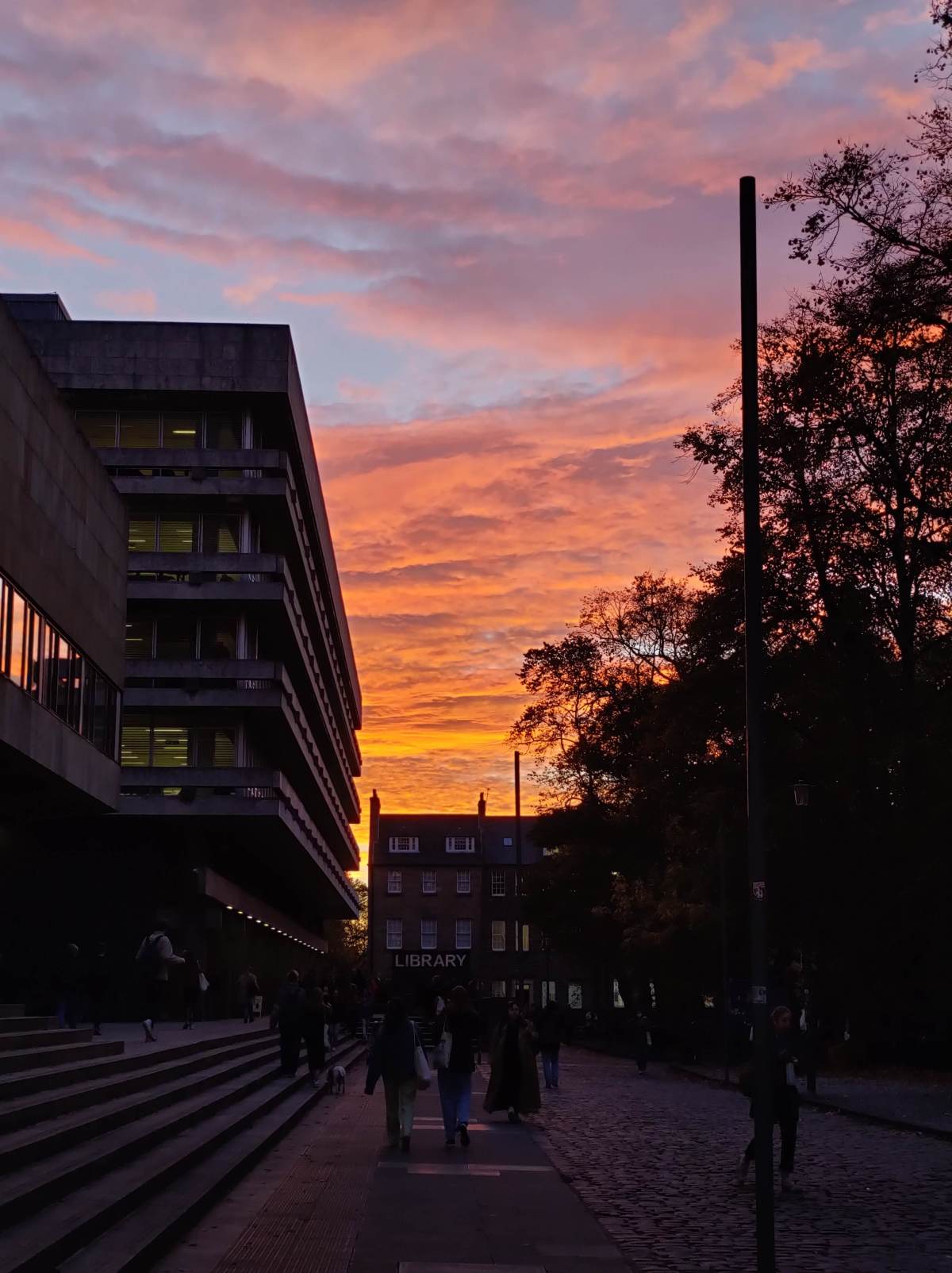
Featured Image: Main Library, George Square, October 2021. Image taken and owned by me.

Categories
Archive Politics

Archive- Brexit was never about a US Trade Deal

This is my first opinion piece for Edinburgh University’s student newspaper, The Student; it’s also the first time my work has been published in print, which is pretty cool. I’ll be trying to write a lot more for them in the future, so watch this space! If you’re reading this the week it comes out, there should still be a few copies available: try Teviot, Black Medicine or the Main Library if you’d like to pick one up.
–AB x

Let me ask you a simple question: why did the UK public vote for Brexit?

Was it due to fatigue with the tedious bureaucracy of Brussels? Did they believe that some short-term economic strife would be worth the increased flexibility that freedom from the single market would allow? Or was it due to Johnson and Farage’s slick charisma and can-do attitude?

While all of these factors definitively played a role in swinging the vote, I think that each misses the core of the issue. The thing is, people that voted to Leave were majoratively not particularly concerned with the nitty-gritty details of immigration laws and bilateral trade agreements. Rather, in something of a precursor to the era of politics that has proceeded it, the vote was driven by that raw and almost irrational desire for independence and sovereignty. The details didn’t matter, really: those could be left for the politicians to sort out. As my Nan put it to my (visibly exasperated) parents at the time, she voted Leave because she “wanted our empire back”.

However, as Liz Truss is learning the hard way on her recent catapulting into the role of Foreign Secretary, the “sorting out” part of that fool-proof plan is much easier said than done.

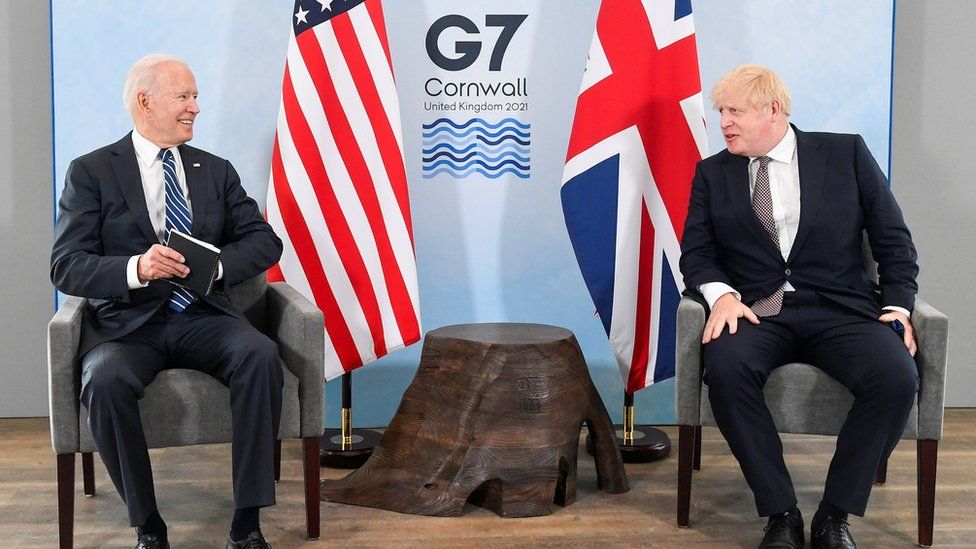
In June 2016, while the Leave/Remain Debate was busy heating to melting point, then-US President Barack Obama delivered a pessimistic prophecy on the final UK visit of his term: despite campaigners’ insistence that an agreement would be imminent in the years following the referendum, Brexit Britain would be at the “back of the line” as far as American trade deals were concerned. Vote Leave dismissed this as nonsense at the time, reminding us that Obama would soon be out of office, meaning that a deal could be put through right away with his successor. Two Presidential elections and five years of negotiations later, though, the Biden administration has held no punches in informing our government that their long-promised bilateral partnership would not be materialising any time soon.

Now, the natural reaction to all this would be to guffaw at our short-sighted, xenophobic compatriots. In their defence, Truss’ speech at this week’s Conservative Party conference assured listeners that the US prioritising relations with countries such as India and Japan over us was nothing to worry about, and that we should strengthen our other alliances, too. While I think she is right, this is still hardly the “Global Britain” we were promised, never mind my grandmother’s reveries of an empire revived. But despite the fact that I, along with a host of pessimistic Remainers (and likely most Vote Leave politicians), absolutely saw this coming, the childish “I-told-you-so” victory that the UK’s floundering trade status provides us is profoundly hollow. At the end of the day, Leave voters were not in it for economic stability and trade negotiations—theirs was a vote for ideological independence. If this was what it would take to get that, then so be it; the sneers of the cosmopolitan minority will never make them regret their decision.

This new period of identity politics is so potent, and so potentially dangerous, because utopian ideas run the show—sometimes seemingly taking precedence over reality. These ideals, when harnessed correctly, can be the building blocks for a better world; we must be careful, though, lest they be used to tear the current one apart at its foundations. Though the Brexit vote has not yet led to the latter, it will be up to politicians like Truss to fulfil their promises and forge us a more prosperous future. After all, who needs America anyway?

Image Credit: https://www.bbc.co.uk/news/uk-58613389
I do not own or benefit from any images used.

Categories
Archive Politics

Archive- The Crisis of Identity in British Politics

This one is a big deal for me, as it’s actually my first ever properly published article. While interning at the IEA, I was told about 1828 and that they were looking for writers, so I got in touch: the rest is history, really. You can find my article over at https://www.1828.org.uk/2021/08/23/the-crisis-of-identity-in-british-politics/; with a bit of luck and a lot of work, this will just be the beginning.
–AB, 31/8/2021 x

Politics, at its core, is the art of identity. It’s a method of placing labels on ourselves, and defining where we stand in public society — whether we’re conservative or liberal, leftist or rightist, authoritarian or libertarian, and anything in between, they’re the flags we fly on our ideological galleons.

While incredibly arbitrary, though, these labels are essential not only for self-definition but for finding and joining with others who share those same views. It is then that we can really set about conveying our vision to the rest of the world.

It’s on this basis that all political parties and organisations stand; they exist in order to rally together politicians and voters alike under one unifying banner. While these institutions may often seem unbreakable, the thin links that bind them are dangerously vulnerable to shocks —and when a new issue emerges that divides the crew in two, they can be shaken at their very foundations.

It’s pretty obvious to see that we’re going through such a paradigm shift right now: starting in 2016, really, we’ve seen our political climate become increasingly torn between traditional left-right economic arguments and a new axis of nationalism vs cosmopolitanism, which was ultimately defined by the storm of the Brexit vote (where the Remain side discovered that arguments relying on economics held little water). It is how our political parties respond to this change in the tides that will dictate their success now and for many years to come.

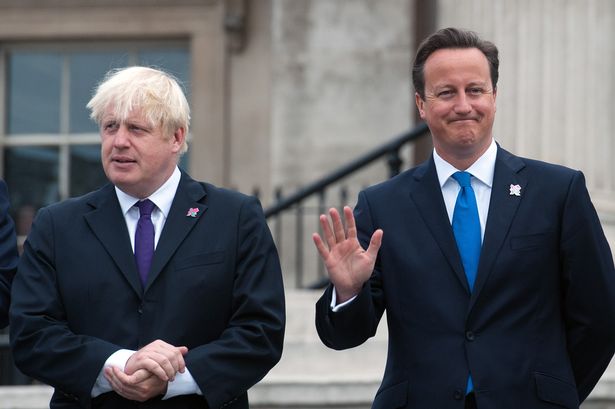
The Conservative Party, specifically, is the perfect example of this scramble to work out where it stands in these strange waters. Much like many right-wing parties today, it’s divided between two very distinct halves, both in its voters and its representatives: essentially, between traditional, middle-to-upper-class Conservatives under the old guard such as Commander Cameron and Admiral Johnson’s barmy Brexit Army, which taps into a younger voter base as well as the swathes of Vote-Leavers in the Red Wall.

As we saw with their 2019 landslide, the Tories have very effectively consolidated these groups with their “Getting Brexit Done” shtick, uniting both their passionate Leave voters a well as tired Remainer conservatives. But this unity won’t last forever, and I fear that the leaks have already begun to show: for evidence of that, one only need look at by-elections in Buckinghamshire and the outright mutiny of a former (and vocally anti-Brexit) Conservative Speaker to the Opposition. This last point, especially given the sorry state of Captain Hindsight’s Labour Party (due largely to the exact same issues), sets a worrying precedent for the Conservatives’ future.

So, what happens now? If you dismantle the Conservative Party and build it back up again, will it still be the same ship?

It is unlikely that the party will collapse, but if it continues on its current course, it will struggle to maintain its current popularity in future. It is today faced with an all-important choice: it can go back to the Tory party of before, or it can decide on a new identity of Brexit-fuelled, nationalist authoritarianism. It certainly seems that they are headed for the latter: if they elect to steer towards that dangerous route, I see moderates and liberals alike jumping overboard (as they have already started to do) before an iceberg is struck.

Identity is so powerful because it gives political actors purpose: without a strong sense of where exactly you stand, voters won’t be compelled to stand behind you. In a world which is increasingly defined by ideological clashes, this sense of who you are is only becoming more important; it will be up to politicians to conclusively choose which flag they want to fly, lest their supporters abandon them as a result. After all, how can you be expected to control the direction of a country if you can’t even decide your own?

Image Credit: https://www.dailyrecord.co.uk/news/politics/boris-johnson-brands-fellow-tory-19610727
I neither own nor profit from the use of images on this page.

Categories
Alex Archive

Archive: Life After King’s

A few months ago, my school got in touch with me asking me to write a piece for their newsletter about what I’d been up to since leaving last June; this is what I came up with. There’s a bit of life updating and a lot of reflection on how Covid has (somewhat) changed my life trajectory, similar to earlier pieces I wrote while I was still at school. If you’re reading this when it drops, make sure read my new piece too; otherwise, enjoy, I guess.
–AB

A lot can change in a year.

I am sat writing this on a cold Edinburgh evening, watching the snow melt outside the window of my university accommodation. I am eternally envious of my friends on the floors above me, who get views of city rooftops on one side and the familiar silhouette of Arthur’s Seat on the other, while I spend my nights looking out into the street and the block of flats opposite. Even though it’s not quite as idyllic as my friends’, or even as Bruton, it’s something that, for the time being, has quickly become home; if nothing else, watching the vast array of random passers-by on the street is an everyday reminder that I’m not alone.

A year ago, I left King’s for the February half-term having had a whirlwind of a month, from the House Music to the rapidly-approaching debate final to my 18th birthday just a few days before. Covid-19 was still confined to the backs of minds and jokes on the Internet. Unbeknownst to most, it was about to send most of our lives upside down—mine especially since I was about to be taking my A levels and leaving school. As far as I was aware at the time, I was headed for a pretty normal future. I was still waiting on my offer from Edinburgh, where I already had my heart set on going to study Politics, Philosophy and Economics, and was anxious to do as well as I could in my exams to ensure that I met the requirements. I was terrified by but looking forward to my last term at school and the chance to conclusively close five years of dedication to its community. What I did not happen to expect at the time was that that all would disappear within a number of weeks.

March 18th, the day A levels and GCSEs were cancelled, remains clear in my head; I remember watching the press conference in the Lyon House common room and feeling the whole room be struck by a wave of uncertainty (on top of our admitted elation). The subsequent months of the first lockdown are, I think, going to be ones we reflect on a lot in years to come. What struck me most about them was how they granted the world a time to press pause, and reflect on where we all were, what we were doing, and where we were going. Perhaps, as someone caught between two such important points, this effect was more prevalent for me; despite its obvious major impacts on me in that light, I was anxious to see that those whose livelihoods had been seriously adversely affected were supported through it all. Otherwise, I spent my copious amounts of new-found free time over summer playing American Football with my brother, reading to prepare for my university course, and writing articles for my blog. I also got a buzzcut, which I am sure would’ve been to Mrs Grant’s utter dismay (she will be relieved to know that my normal hair has subsequently grown back, however).

My experience at university so far has obviously been pretty different than your usual. My room is my new library, my computer screen my lecture hall, and my kitchen my nightclub. I think it would be pretty easy to get bogged down in the negatives of how impacted and changed my life has been by this new world we’re living in, but I have tried my utmost not to; honestly, I am still loving every second of my time here. I really miss King’s in so many ways, but the move up here has been a refreshing change of scene; being able to live independently, especially in this beautiful city with which I am already in love, is a dream come true. I’ve even managed to cook for myself, something which I strongly doubted I’d be able to manage (but trust me when I tell you that I miss the King’s catering department more than ever). I love my course, and I find myself more excited to learn every day than I’ve ever been before; despite the fact that I dream of in-person lectures, I am reassured that they will one day be a reality (although preferably sooner rather than later).

In May, I wrote a piece for the Dolphin about lockdown, and how it had flipped the world on its head, but more importantly about how it had brought everyone together; there was a certain nationwide atmosphere of solidarity, and a common belief in embracing the hand we’d all been dealt. If I’ve learned anything since leaving King’s, it’s that—though on my last day at school I could never have seen this year going the way it has, the best thing I can do now is to make the most of what I’ve got. Life doesn’t always go the way that you’d hope or expect; sometimes, the only thing you can really do is just live it, and know that that’s enough.
–16/02/2021

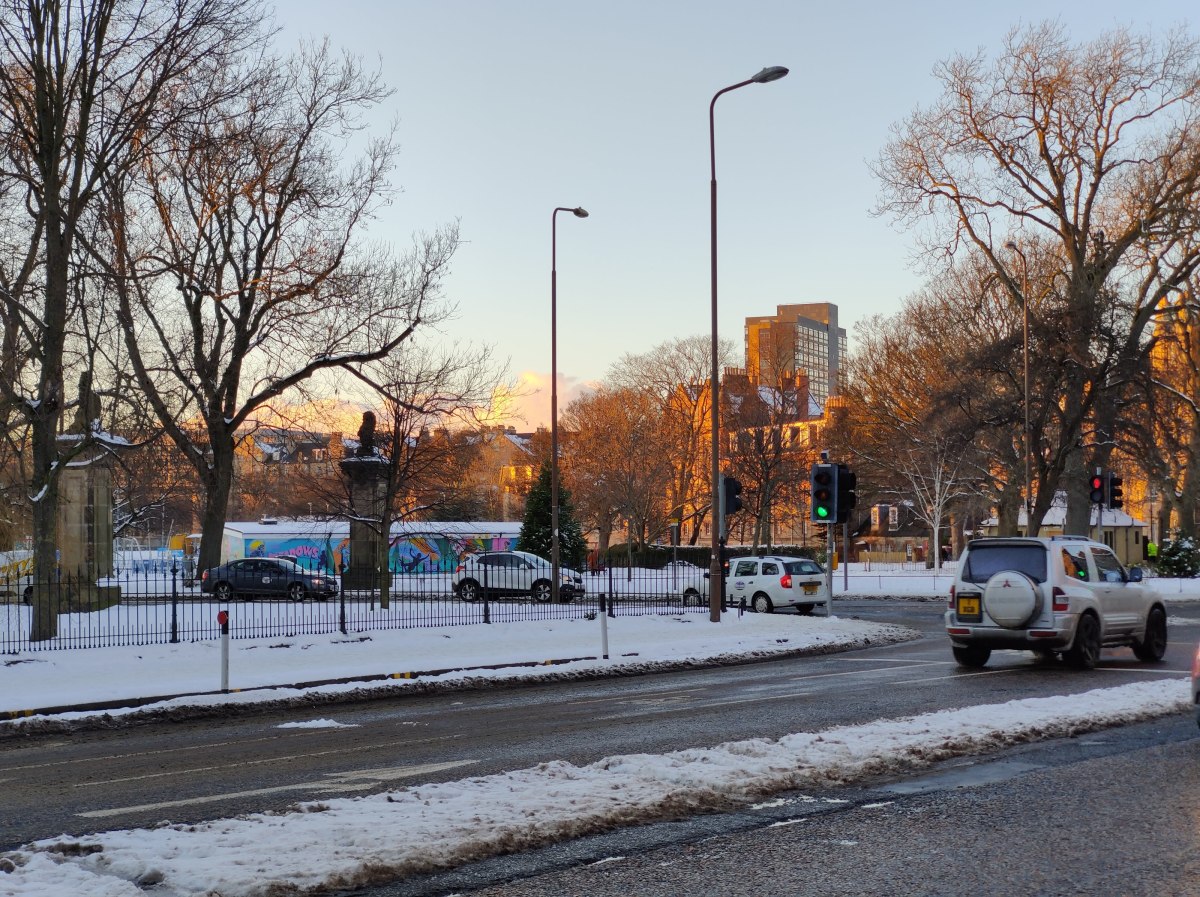
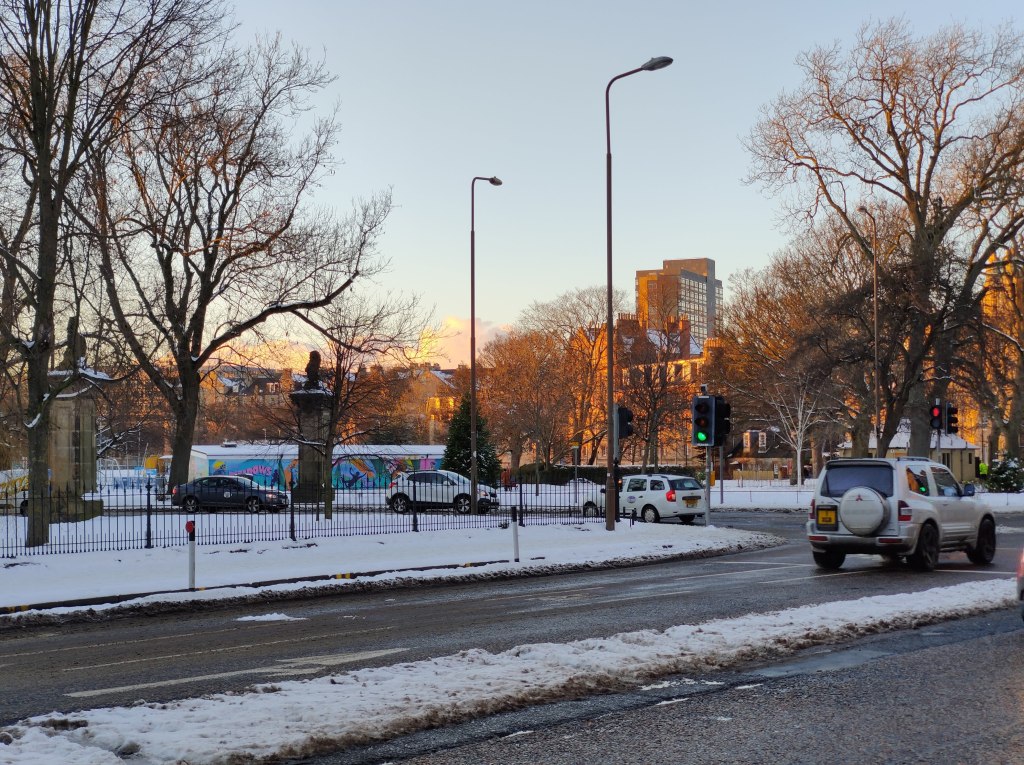
The Meadows. Edinburgh, February 11th, 2021. Photo taken by me (for once).
Categories
Archive Politics

Archive: Privilege

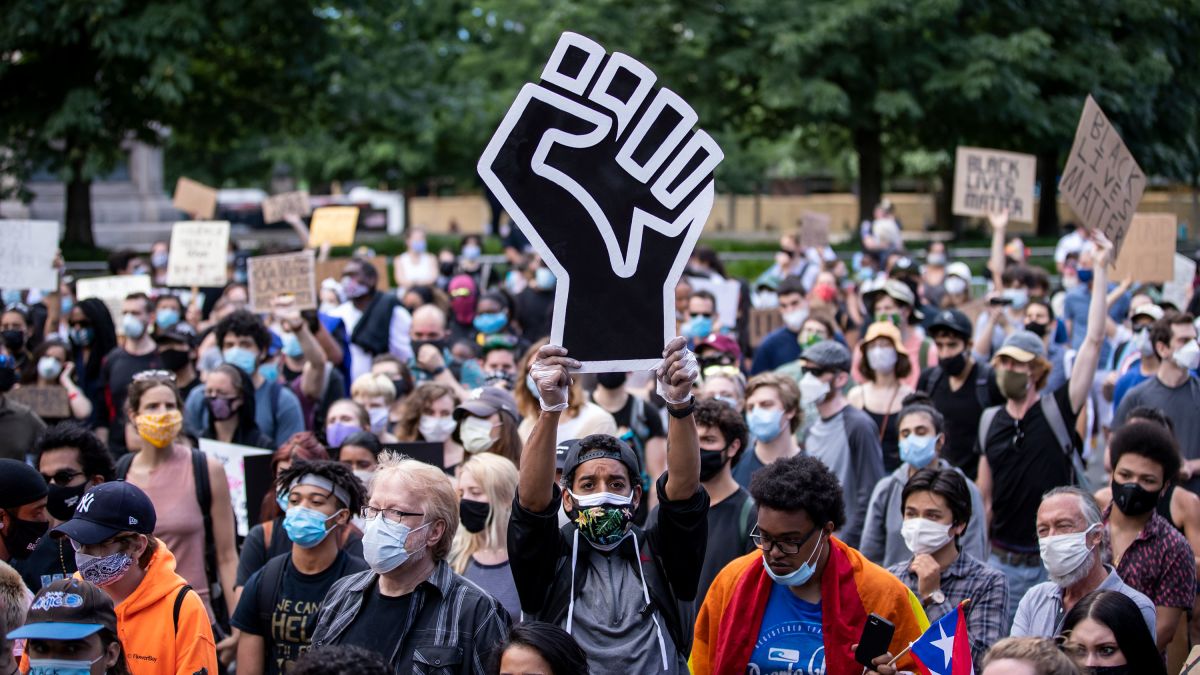
Here’s the second archive piece from this summer. I wrote this one with my friend Seb Kingsberry for our school magazine in response to the BLM movement after the killing of George Floyd. Both of us are white, and pretty privileged ourselves, but we couldn’t just sit back without using our position for something; this piece is written from our perspective, about how the movement affects us and the people around us and what we can do to create change. Black Lives Matter, today and forever; don’t stop fighting until the people who aren’t recognising that are stamped out.
–AB

Many of us in the King’s community, pupils and adults alike, will look at the issues raised by the murder of George Floyd and think that they don’t apply to us. We go to a school in a Somerset town, where minorities and people of colour are few and far between, we are far removed from the tales of police brutality that we hear of in the cities of the UK and America. And besides, we’re not racist; incidents of abuse to people due to the colour of their skin are incredibly rare and, once they’re dealt with, they are quickly forgotten, and that’s enough, isn’t it?

More than anything, the past months have opened our eyes to the fact that it’s not.

As a community and as a country, most of us don’t understand how privileged we really are. We’re lucky to live in the world that we do, seemingly disconnected from the issues that encapsulate the protests that we are mere bystanders to. The truth is that those of us who are white benefit from that simple fact; the colour of our skin. Because we’re white, we don’t have to grapple with belonging to a community where everyone looks different to us. Because we’re white, we don’t have to worry that someone will judge us on our skin colour before they even meet us. Because we’re white, we don’t have to feel that intangible fear that so many feel every time they look at a police car; that they will be arrested, attacked, or even killed solely because of their appearance. Something that we must consider is that our lives have been made easier because we live in a world designed for people like us. And it’s not that our lives haven’t been hard, or that all lives don’t matter; nobody has ever claimed that. But the fact that people who are black or brown have to go through things that we don’t is an injustice that we have to fight; during this challenging time we need to use our privileged position to do something about it.

One person alone cannot stop police brutality, or undo the racist sins of history. But what we can do is take small steps, by ourselves, to start being anti-racist, and building a solution to the problem.

The first step is education. This issue is not going to fix itself until we learn more about it; we need to open ourselves up and listening to the voices of people of colour, whether that be through talking to our friends about the difficulties they face or reading articles and books that deal with historical and current issues of racism. Something many of us lack at King’s is exposure to, and awareness of, these struggles; nothing will change until we understand how our privilege has affected us and how others’ lives are made harder due to their ethnicities. It doesn’t take long to read one article a day, however an essential start to solving this is first understanding what we’re dealing with.

The next part is much harder, but is even more important; it involves challenging ourselves, and those around us. We live in a culture where talking about racism has become avoided and frowned upon, often for fear of somehow saying something wrong. In this culture, things will not change. Making mistakes, regretting something and atoning for it, is just how we grow as people, and it’s normal. If you find information about historic racism, or police brutality, or BAME education, that makes you change your mind, have the maturity to change it; stubbornness and close-mindedness get us nowhere. And if your friends, or even your family, make genuinely racist comments, have the courage to challenge them. Question why they believe what they believe; though it may be difficult in the moment, people won’t change if they don’t realise they’re wrong. Maybe they won’t back down, but in responding you’re showing them that their views aren’t accepted, around you or anyone else. But please don’t turn family dinner into a shouting match; approach it in a calm and measured way, and just have a discussion about it.

It is evident that we could benefit from greater open-mindedness and diversity at King’s; in our public-school world, it is all too easy to ignore these problems, but now is the time to step up and change that. In the past, we haven’t done enough to be anti-racist; but what matters now is that we try to change the future and build a community, and a world, where the colour of our skin does not decide who we are. Doing that won’t be easy or fast, and it was never going to be; but after some time and effort we will emerge as a more understanding, empathetic and united community.
–24/06/20

Categories
Alex Archive

Archive: “A Generation, Lost in Space”

I thought I’d take a minute to backlog a few pieces I had written earlier this year for my school magazine. This one is about lockdown and its effects on the teenage generation; it’s a bit sappy (it was a school magazine, alright) but it was a fun one to write. See if you can spot all the references (they took a lot of effort to fit in). The other archive piece should follow tomorrow; I’ll try and get some new main articles out soon.
–AB

Call it the day our music died; on March 20th, 2020, in a move not made in over 130 years, the UK government cancelled all GCSE and A level exams for this summer. The news was hardly unexpected; the exponential spread of covid-19 had already caused the government to shut all schools as potential viral hotbeds that Wednesday, and most universities had already closed their doors. But what this move effectively did is leave hundreds of thousands of teenagers and schoolchildren totally aimless— the focus of their lives, the goal of years of their work, had been swept from underneath their feet.

But though our summer swelter will be endured, for the most part, indoors and separated from our friends, we haven’t let that crush our spirit. Facing indefinite months in isolation, I spoke to my friends about how they were going to pass the time; I was shocked to find many already had plans in place, from learning Chinese flutes, to picking up new languages or running every day. I resolved to attempt to emerge from lockdown somewhat prepared for University and learn to cook (I can report that so far, zero kitchens have been destroyed in the process). I’d honestly expected most people to give up and sunbathe (an equally tempting option), so seeing them plan to put their time to good use was heartening.

But not only have we bettered ourselves; many have made efforts to emerge from their fallout shelters to better their community, too. Within days of lockdown beginning, teenagers (and even some teachers) had banded together through social media to nominate each other for a “Run 5, Donate 5” campaign where over £5.6 million was raised for NHS charities. And this was only the start; through making masks, social media campaigns, and volunteering to deliver shopping or even just call those who are, unfortunately, spending these months alone, our weeks divided as a school community have been spent making a difference at home, wherever we may be.

And though we’re split apart, these events have brought our nation, and our world, closer together. I now speak to my grandparents and cousins more than I ever did before (for the most part through the now-ubiquitous online quiz); neighbours seem friendlier, and my friends less far away. I suppose that lockdown, more than anything, has brought us all together, because we’re all in it together. In a way, right now we all are in one place, facing the problems of social isolation, economic insecurity, and fear of the virus; but in sharing that experience, we’ve all become that bit closer to one another. Of course, those of us who go to King’s are in a much more privileged and safe position than most in the midst of lockdown; but I think that this situation has given us space to reflect and build empathy and awareness for those less fortunate than us. I hope that this crisis will indeed give us time to start again, as a generation and as a country, and build a more understanding and united world.

For many of us, lockdown has taken away the ends of our school careers, and some of the most important summers of our lives; holidays and gap years have been postponed, and any whiskey (and indeed rye) and singing will have to be enjoyed with our parents, not our friends. In March, when this all began, I was worried a community usually so active and connected would end up becoming isolated, depressed and broken. Yet what the past few months have created is a sense of unity and responsibility; though our exams and our school, for the moment, may be gone, we have found new meaning in embracing the situation we’ve been placed in. And though the courtroom is indeed adjourned as to when we will be able to see each other again, and our music may have gone quiet for now, it is anything but dead; to hear that, you only need listen every Thursday.
–04/06/2020