Categories
Alex Politics

On Radden Keefe’s ‘Say Nothing’ and my childhood in Belfast

1. Slieve Mish

I spent part of my childhood living in Lisburn, a small city just outside of Belfast (the capital of Northern Ireland). While I was too young to remember any of my first stint there, the latter took place when I was between the ages of 11 and 13. I remember those years fondly: we had a large but cold house, and I spent my school holidays hiking in the Mourne mountains, attending Ice Hockey games—Belfast (still!) have the best team in the UK—and shopping at Hollister. But if I came to understand anything from my time in the North, it was precisely how little I, or British people in general, truly understand about our little, yet historically and politically tumultuous, territory across the Irish Sea.

Even some fifteen years after the Good Friday Agreement officially ended the Troubles—Northern Ireland’s thirty-year civil war—its ominous memory continued to hang over my experience. I lived in a military encampment, and it just so happened that my house was next to the perimeter of the base; from my bedroom window, I could just about peer over the towering walls of concrete, corrugated metal, and razor wire, bristling with CCTV cameras, into the civilian neighbourhood beyond. These glimpses were most of what I saw of the place: I was required to flash my ID at guards equipped with full body armour, submachine guns, and attack dogs to even leave my neighbourhood. Once out in public, I was placed under strict orders of clandestineness: speak in a low voice, wear no clothing with the words “England” clearly on it—even my football socks from the 2012 Euros campaign were expressly banned—and do not, under any circumstances, tell anyone what your dad does for work.

Outside of the personal level, too, I encountered the realities of a country still wholly run by deeply-rooted sectarianism. Friend groups, schools, and entire neighbourhoods were wholly split on Protestant and Catholic lines; unsurprisingly, being an Army kid, the youth camps I went to during the summers were entirely attended by the former group. So divided were the cultures that you could generally tell someone’s background from their name alone, or even from looking at their houses: the stereotype suggests that Protestants almost always have blinds in their windows, while Catholics have lace curtains. Speaking to people from the North more recently, I learned an even more ridiculous dividing line: while Catholics tend to keep their toasters on the counter in their kitchens, Protestants would store them in the cupboard (admittedly, I am still unaware of the reasoning behind this particular quirk). A brilliant scene from Derry Girls highlights just how strongly these divides still express themselves in Northern Irish culture—and, indeed, just about how out-of-place I felt as an English boy deposited in this environment.

As a tween, I didn’t really question such peculiarities, many of which now seem absurd when I recount them to Brits my age—as a military brat, you grow used to obediently adapting to new environments. But while I didn’t properly comprehend the full historical context that led to my circumstances, I think what stuck with me was the collective sense of trauma and suppressed violent tendencies that still pervaded Belfast: the uneasy calm of a former warzone at peace for now, but which could rapidly spark again given the right circumstances. That’s the Northern Ireland I knew. It felt like standing atop a dormant volcano.
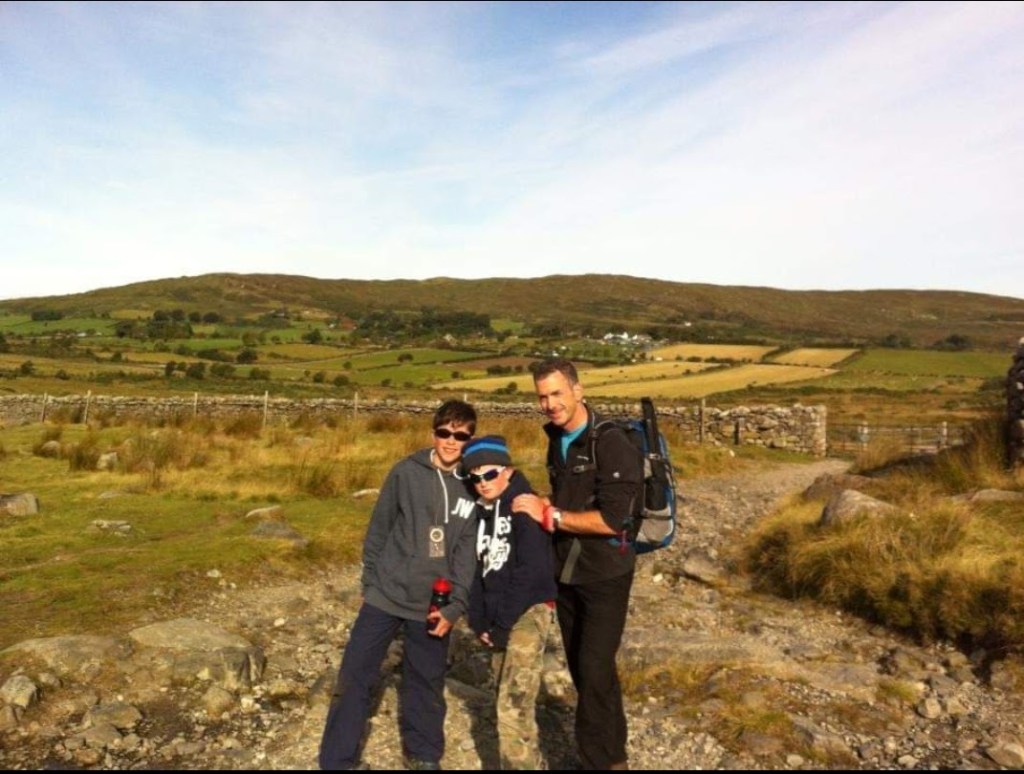
My father, my brother and I in the Mourne Mountains. 2014.

2. Tales of the Troubles

Now, I hardly blame anyone my age from Britain (note: as opposed to the UK) for not knowing much about the Troubles, or, indeed, about Ireland itself. The national History curriculum, or at least what I was taught, relatively conveniently circumvents any and all mention of the UK’s violent, crime-ridden colonial past. Even dealing with colonies such as India and Africa seemed to be relatively taboo, never mind approaching something as recent, as painful, and as outright criminal as many of the UK government’s actions in Ireland from the 1970s to the 1990s; going further back, events such as the Potato Famine or the War of Independence were almost wholly ignored, the latter even when I studied World War I and the interwar period in the UK and Europe. The most mention Belfast ever got was for its role in building the Titanic a century ago. On a broader level, such deliberate educational oversight provides a decent explanation, and a worrying precedent, for Westminster politicians’ pervasive lack of knowledge of and attention paid to Northern Ireland (see Brexit, for an emphatic example). It is a history both incredibly relevant to our own country, and which has the capacity to teach us valuable lessons about similar struggles in the world today. Equally, though, I used to think that one could read all the history books on the North and still not quite resonate with it on a personal level; at least, not in the way that I feel I somewhat can after having lived there.

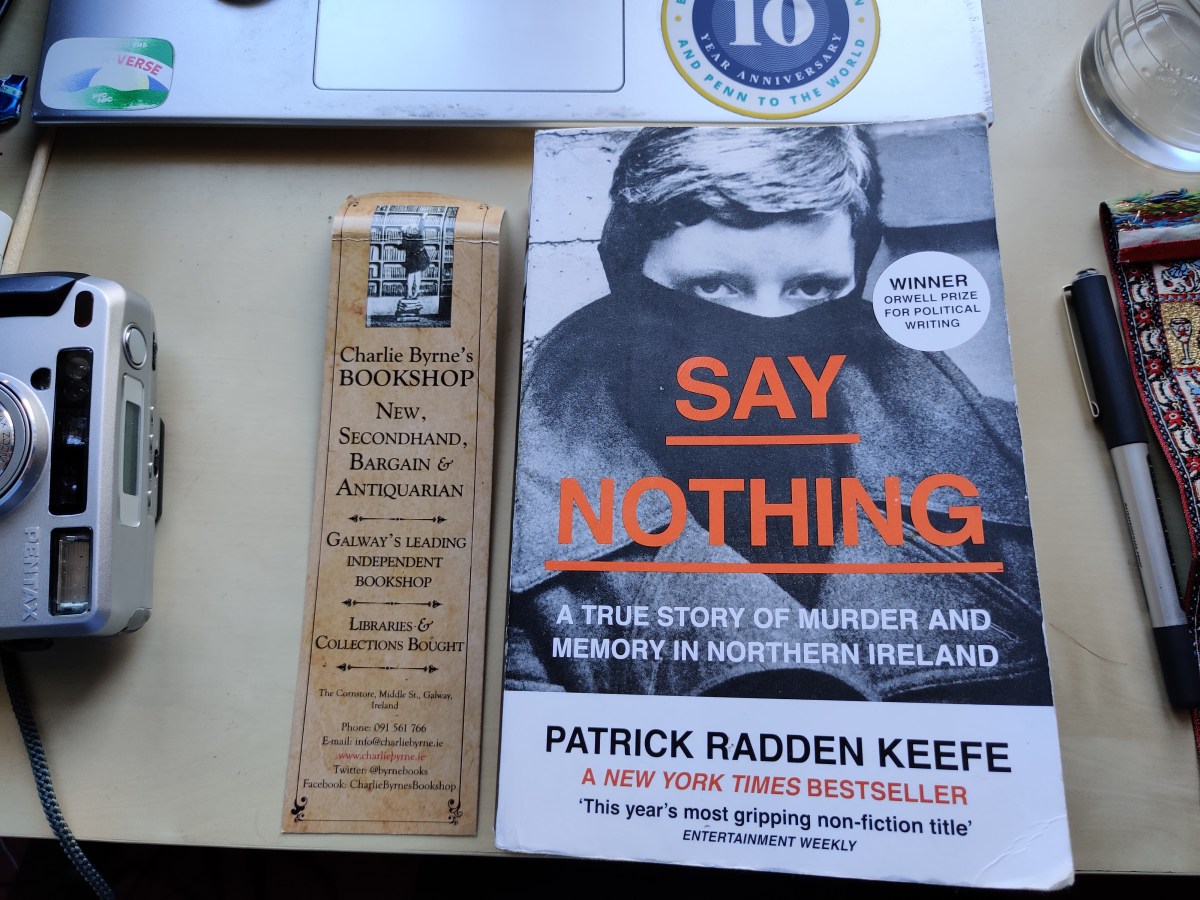
Recent events have changed this view somewhat. In February, my friend Mira came across from the US to stay with me in Edinburgh; having just been in Ireland, she’d picked up an interesting-looking book to give me as a thanks. The book in question was Patrick Radden Keefe’s Say Nothing, an account of the Troubles and the so-called Provisional IRA’s role in them. In short, I was blown away. The thing I think this book executes so masterfully is its choice of tone and structure: rather than merely being a factual history book, Radden Keefe chooses to write in narrative non-fiction. The result is an account of the conflict from the point of view of the complex, nuanced, and fundamentally human people who lived through it. There’s Dolours Price, the daughter of an IRA veteran who moves from peaceful protesting to more radical means. Or Brendan Hughes, the gritty ground commander who sacrifices his marriage and, at times, his morals, for a cause he believes to be unstoppable and fundamentally just. Or Gerry Adams, the later-famous Sinn Fein President who had a murky and contested career in the field. Many more such characters come into the fray (you’ll have to read it yourself to learn about them), but the real narrative hook of the story focuses on the family of Jean McConville, the widowed mother of ten in a mixed Protestant-Catholic family who, one evening in 1972, was suddenly kidnapped by her neighbours and never seen again. Radden Keefe focuses on recounting McConville’s broken family’s story over the following decades, and perhaps unturning some further stones in the mystery of her fate. Using this to provide a centrepoint for the book is an excellent tool for exploring the Troubles’ impact, as well as their memory and how it’s presented, on Belfast’s unwitting and innocent inhabitants.

Now, there is only so much which can be covered without turning into a history textbook: Say Nothing pays little attention to the conflict outside of Belfast and the crimes of loyalist insurgents such as the Ulster Defence Force, while a broader account of how the peace process came to light was also slightly lacking. But the point of this isn’t an accurate historical overview of the conflict: for that, you can go to a textbook or Wikipedia. The book’s aim, instead, is to transport the reader into Troubles-era Belfast by placing them into the stories of the people who lived through it. Aside from this direction allowing the book to provide an account which is riveting and undeniably human—so much so that I tore through the book in two days—it also helps to encapsulate and communicate to the reader that same feeling of division and unease that I often felt when I lived in Belfast (which, incidentally, is the same time that the book was written). That, in itself, makes Say Nothing an absolute landmark. Indeed, I reckon that UK politics would be in a much better position were all politicians—or even everyone—mandatorily forced to read it.

If that doesn’t come as enough of a recommendation, I don’t know what would.
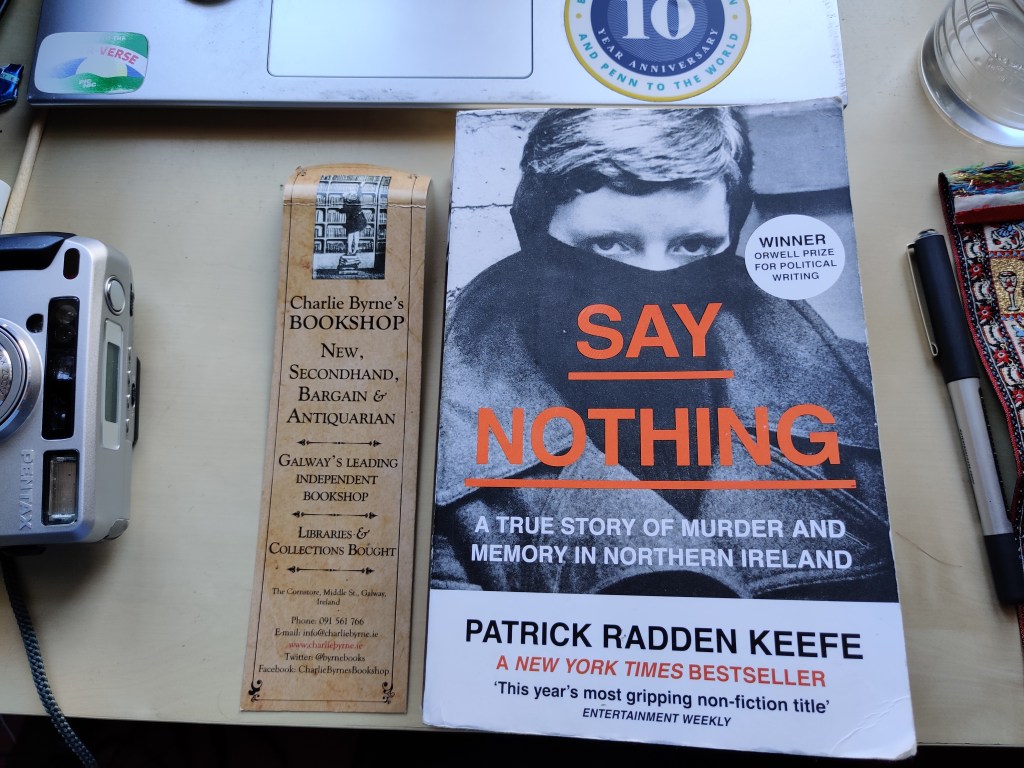
My copy of Say Nothing. 2024.

3. An addendum on Ireland and Palestine

In terms of the lessons we might apply from the Troubles to the modern day, a particular line from Say Nothing really stuck with me. The following is written on p. 259 (in my version):

“Part of the reason that such a process [as truth and reconciliation] was feasible in South Africa was that in the aftermath of apartheid, there was an obvious winner. The Troubles, by contrast, concluded in stalemate”.

Now, I’ve stated several times in the past year that I’m not in the business of presenting concrete solutions to the conflict and occupation in Israel and Palestine: many more qualified and informed people than me have attempted it, and all have failed. But having previously put a lot of weight on South Africa as the best template we’ve got in terms of where on earth to start with a peace process, reading this book gave me a lot of cause for reconsideration. The Troubles, after all, have a lot in common with what we see in Gaza today: an embittered battle between a modernised, Western state army and a generational, rag-tag paramilitary organisation, ostensibly in the name of an oppressed group’s liberation from a foreign force on one hand, and the violent cessation of the rebels’ existence on the other. Neither goal is easily achieved even if it is realistic; war crimes abound on both sides. Crucially, though, outside of the total annexation of Palestine by Israel—an outcome that worryingly seems more and more possible by the day—I don’t see this conflict ending in anything other than a ceasefire and a stalemate. As the Provos knew then and Hamas knows now, overcoming the occupier is impossible; meanwhile, as the UK knew and Israel knows, crushing a rebel movement by force is impossible (though I can say for a fact that this is not the true aim of at least some members of Netanyahu’s cabinet). The issue is, of course, far more complex than this vague outline suggests. But the similarities may render the Troubles one of the best templates we’ve got for working out some sort of just resolution.

As the book details, the Good Friday Agreement was far from perfect. Many victims of the Troubles felt betrayed by its existence, and its terms and spirit have been largely defiled in the subsequent years (cough cough Brexit cough cough). But in providing an adequate political solution focused on amnesty and peacebuilding from both sides, it achieved far more than 30 further years of violence ever could have. Now, I’m not informed enough to offer more of a deep dive into the intricacies of each peace agreement; there are far better resources on that out there. But what I do know is that while the Belfast I knew was divided, tense, and fundamentally haunted by the spectre of its past, at least it wasn’t a bloody warzone. That is the least that kids in Gaza, Kibbutz Be’eri, and beyond deserve right now. Someday, I hope that their stories are told with the same care, and their humanity is as well conveyed, as Radden Keefe has done here.

Now, if anyone has any good book recommendations about potatoes, I’d best get reading…

Buy Say Nothing at the Lighthouse here, or through your local independent bookshop.
Categories
Alex Politics

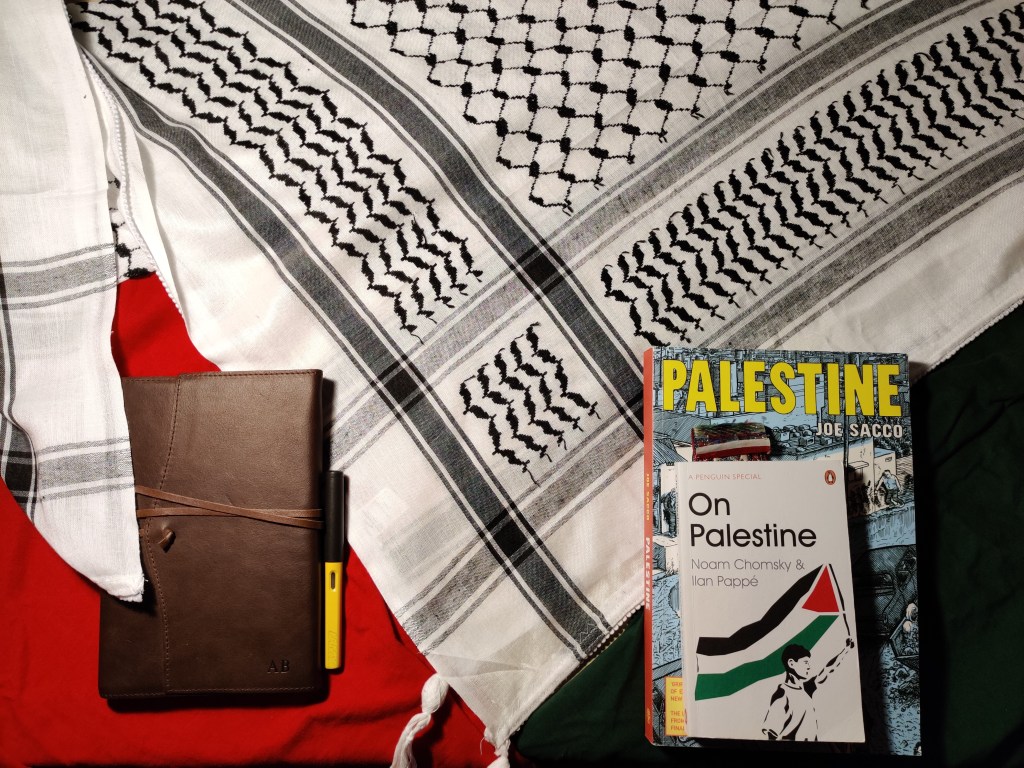
On Anti-Zionism

This is a piece I wrote for the DP in November last year, but never made it out due to Kanye opening his mouth (for the record, I haven’t listened to a Kanye track since). In light of recent events, I thought it best to publish it here now. —AB ❤

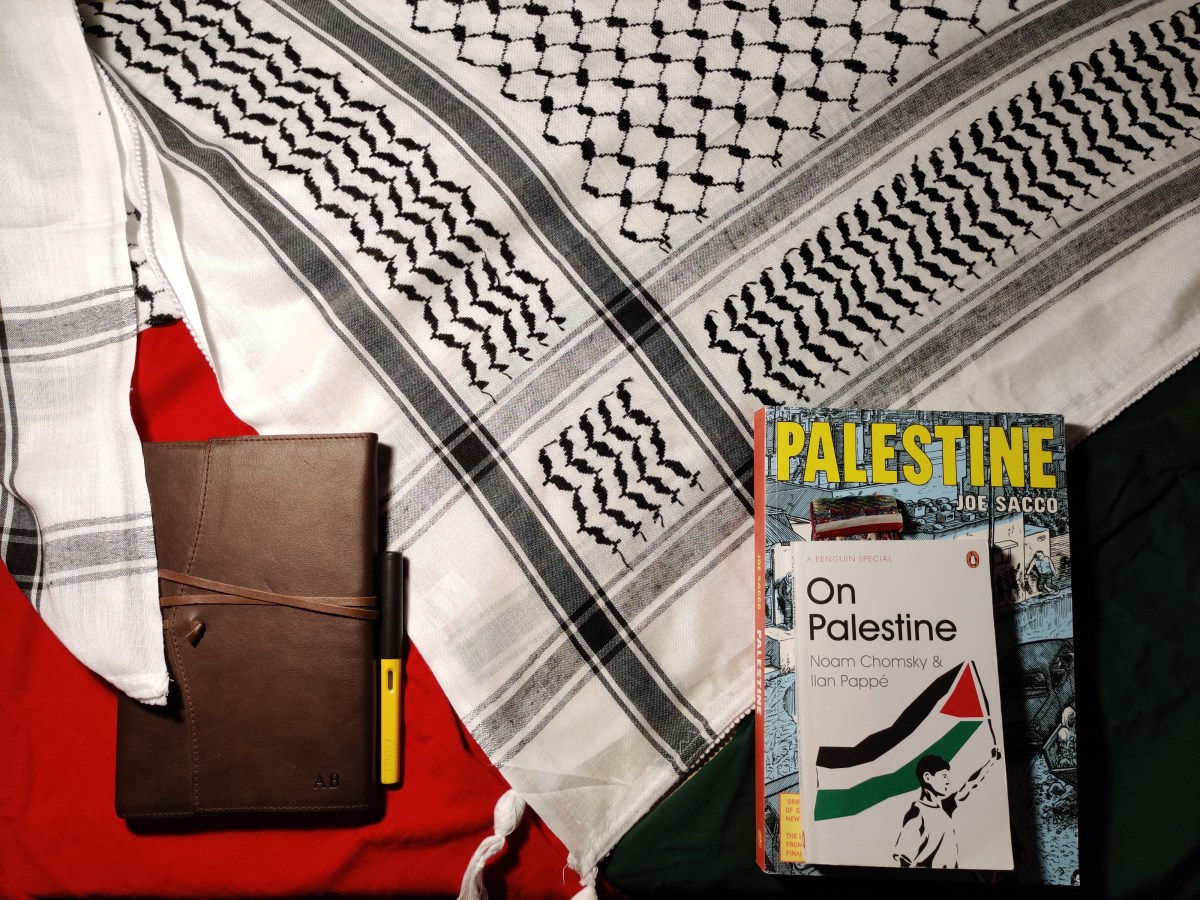
Image by me

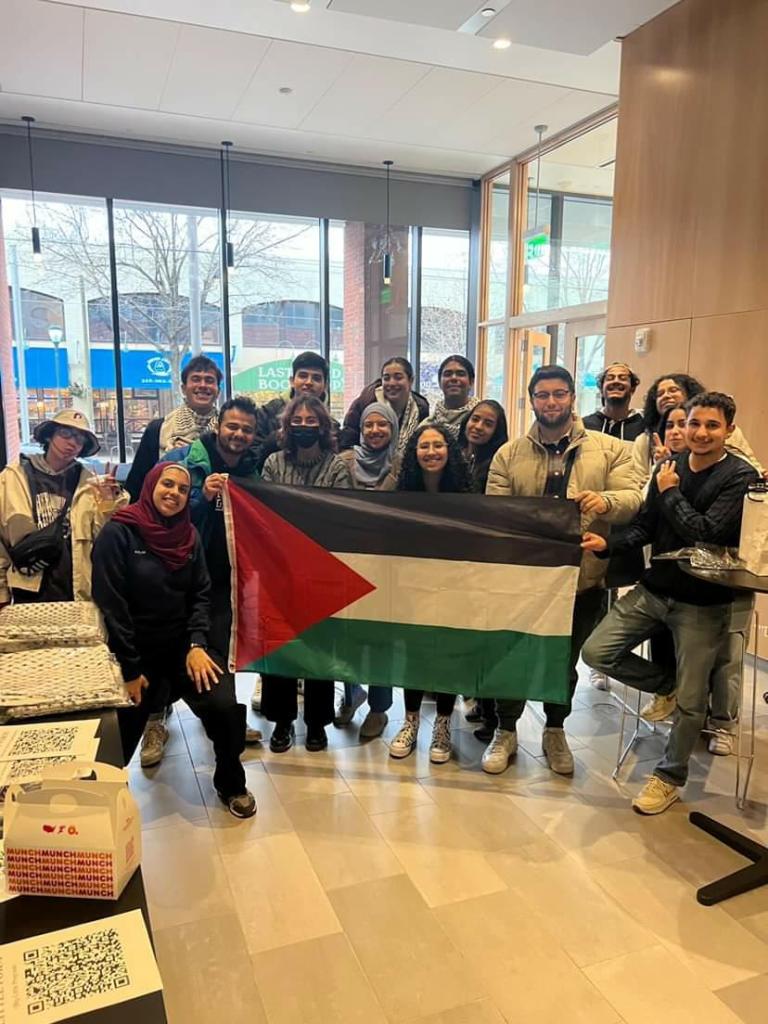
“Last month, several Zionist groups raised outcry at an incident on Northwestern campus, in which a student op-ed on Jewish pride was posted around campus with the phrase “From the River to the Sea, Palestine will be Free” painted on it in prominent red letters. The Jerusalem Post accused it of being a “use of hateful rhetoric and [a] public, targeted attack on Jewish identity”: in other words, yet another example of unsolicited antisemitic violence from pro-Palestinian activists on an American University campus.

Two important and problematic claims require unpacking here: first, that this public statement was an uncalled-for escalation, and secondly (in a very linked point) that the phrase itself is inherently antisemitic.

The first claim falls apart with a reading of the original article. The piece itself is a beautiful expression of the author’s Jewish pride, and her refusal to meter it in a world that ever seeks to silence and oppress it. It ends with an attempt to reach over the table: to invite those who may oppose her to engage with her, and even to come to a Shabbat dinner with her to better understand her point of view. Especially as a student coming from a country where Jewish culture is much less pronounced, I especially have felt lucky to be able to come to a place like Penn and be able to understand that culture better, and truly appreciate those like her who are willing to let me into their world.

However, her article contains a key caveat, which her Zionist supporters seized on: she calls out the phrase “From the River to the Sea” as “a rallying cry to destroy the entire State of Israel and all of its Jewish inhabitants”. This is the phrase that pro-Palestine activists had emphasised in their response, but an aspect of her piece that had been emphatically ignored by the articles that came out condemning the response to it.

The second claim, which the author also made in her piece, is a much more contentious one that requires deeper scrutiny. Nonetheless, I believe that it mistakenly mischaracterises the entire Palestinian movement and its allies in a manner which aims to paint them as hateful antisemites. The truth is far from this narrative.

The Anti-Defamation League, an organisation which has been increasingly accused of bullying Anti-Zionist groups and wrongfully accusing them of white supremacy, defines “From the River to the Sea” as a phrase defined by most of its proponents as a call for the destruction of Israel and its people. They provide essentially no evidence for this claim. Now, while I’m sure that far too many examples in which individuals have twisted the phrase into this horrible meaning—the Anti-Zionist movement in my own country has faced deep issues with antisemitism very recently—to define this entire movement in this fashion is strongly mischaracterising it. The phrase itself has existed since long before its sub-group of antisemitic adopters. In itself, it calls for a Palestine made whole again: free from the settler-colonialist violence that plagues it and has already killed almost 150 this year, and continues to create and enforce illegal settlements in violation of international law. That Palestine need not be exclusive of Jewish people. Quite the opposite: I believe as much in their right to settle in their ancestral homeland as much as I support Palestinians’ right to return to theirs. But today’s Palestine is characterised by an enforced partition that keeps its citizens from their families, their religious sites and their ancestral homes, and most of all keeps everyone from any sort of lasting, mutual peace. At best, Palestinian ideas of peace requiring throwing Israelis into the sea are outdated; at worst, they have been created and perpetuated by Israeli media.

I’m not attempting to claim that things would be perfect if the roles were reversed and Palestine held all of the power. I’m sure, in fact, that the result could easily involve as intense, if not worse, discrimination against Jewish people. But such caveats cannot permit the current state of unbalanced violence that exists today: not standing up against it would be a betrayal of our morals and our activism.

This mischaracterisation stretches to Penn, too: a Jewish friend of mine told me lately how she had to explain to a passerby that the display of a Palestinian flag on campus was not, in fact, a flagrant display of antisemitism. For a campus and community that stands so strongly for progressive values, it saddens and angers me that were able to be blinded by such naivety over an issue that is so pressing and so lopsided.

I am not Jewish. Nor am I Palestinian. Yet due to this precedent, I feel scared to use my voice in support of Palestine, for fear of my words and my character being twisted into something that I stand as much against as I do Israel’s mistreatment of the Palestinian people. My stance against Zionism in its current state is unequivocally exclusive from my absolute opposition to antisemitism in its increasingly prevalent, multi-faceted and vicious forms. I am tired of the two being convoluted.

That said, I am deeply committed to open dialogue on this incredibly important issue. Please send me an email, a DM, or an invitation to dinner—over my table or especially over yours. Resolution and peace are built over an approach built on understanding, not on division. If you’ve read this far, then I thank you for lending me your ear. Now please let me lend you mine.”

—27/11/2022 – 19/10/2023

Categories
Alex Archive

Archive: Exchange at Penn: A Glass Half Full

My first Correspondent blog post for Penn Abroad. Original: https://global.upenn.edu/pennabroad/blog/exchange-penn-glass-half-full

Coming back to Penn for my second and final semester was weirder, in some ways, than joining for my first. I was lucky enough to get the chance to go home for Winter Break; after a 24-hour trip through New York, Boston and London, getting back to my parents’ in (Old) York, the familiarity of being back in the UK after having spent four months on this incredible whirlwind journey across the Atlantic was jarring, to say the least. Nonetheless, it was lovely to be home again; after rediscovering both the Tesco meal deal as well as the Nando’s Sunset burger (if you know, you know), taking a trip back to Edinburgh to see my friends, and decking my family out in fresh Penn merch, I felt refreshed and ready to get the most out of the rest of my time here.

As I wrote in my recent article for the Daily Pennsylvanian, though, the cultural reset of returning to the Penn Bubble takes a minute to adjust to. More than anything, a lot of things were set to change in my life here: I had a new room in Gutmann College House and new roommates along with it, new classes to start and clubs to join, as well as having to readjust my social life after a lot of my closest friends either went back home having finished their exchange here, or had left Penn to go on their own adventures abroad.

However, it was super exciting to see the rest of my friends again, and getting back into the exciting business of life here never takes very long: I absolutely adore my roommates, I’ve already made so many new friends, and my schedule new schedule is very solid, though I do seem to spend about half of my time studying with friends in the Williams Café. On catching up with people after a few weeks apart, one question I seem to be asked a lot is how I feel about being halfway through my exchange, with less than a semester to go at Penn. Initially, having been so preoccupied with reorientating myself on coming back, this wasn’t something I’d really given much thought to and so wasn’t really sure how to answer.

At first, the thought of already being halfway through my time here was more than a little terrifying. I’d had the absolute time of my life in my first semester: I’d fallen in love with the enhanced sense campus community, incredible sporting and academic facilities, and much more personal teaching style delivered at Penn. As much as I absolutely adore Edinburgh and couldn’t wait to go home next year, I didn’t want my time here to end. And while that end didn’t feel quite imminent yet, I’d be lying if I claimed that my first reminder of its distant existence didn’t shake me a bit.

Equally, though, the more I’ve thought about it, the more my perspective has changed on the time I have left, limited though it is. Thinking back to all I’ve been through since I arrived last August, I’ve already accomplished and experienced so much: from blaring my pride for my newfound community on Homecoming weekend, to the chaos of running a conference for 500 people in downtown Philadelphia with the International Affairs Association, one of the clubs I’m in here, even down to the times I’ve simply smiled to myself while hurrying to class down Locust Walk, taking a second to marvel at and appreciate that I’d actually managed to make it to this beautiful and exhilarating place.

With all of that context in mind, looking forward to the end of my time here from the midway point suddenly became a lot less daunting. Yes, I do only have a few months left, but if those few were going to be anything like the ones preceding them, then I know I’ll be in for the time of my life. Rather than fearing the end, I’ve determined, I am going to make sure I enjoy and appreciate every second of my Penn journey while it lasts. That, I think, is what an exchange should be all about.

Categories
Alex Featured

Why I (still) love “Love Actually”

Love Actually seems to be, at this point, a nationwide Christmas tradition. The evenings draw in, the trees and the wreaths and the lights go up, families reunite, and everyone manages to, at some point, get through two hours of festive-ish metropolitan romance (even pushing it into the top 10 on Netflix in the week coming up to the 25th). It’s a film with its fair share of critics and poorly-aged story beats (unnecessary fat jokes, a sprinkle of patriarchy, hints of adultery, an unfortunate lack of diversity especially for a film set in the UK’s least white city), but it remains one that I hold immensely close to my heart.

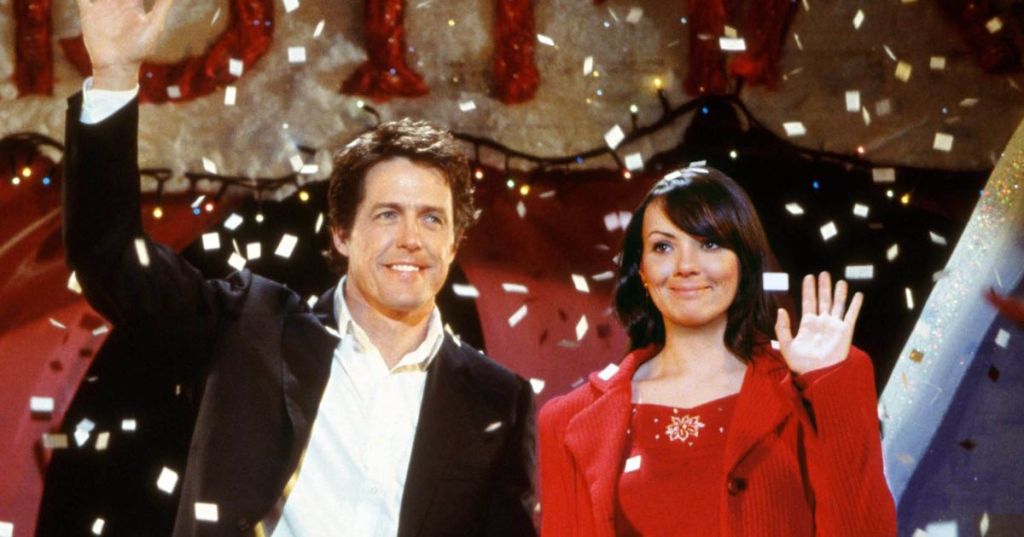
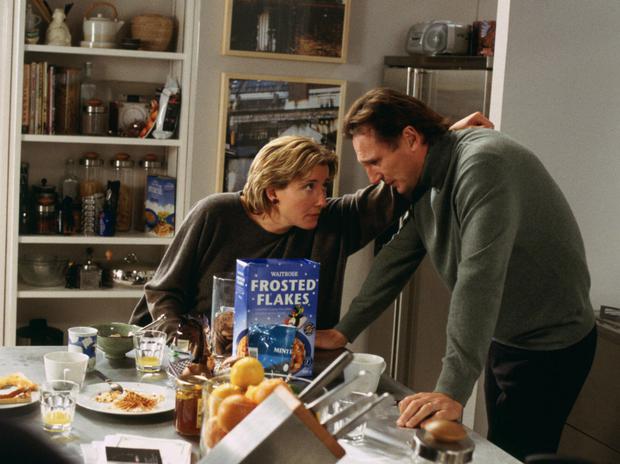
Hugh Grant as Prime Minister David and Martine McCutcheon as common girl Natalie.

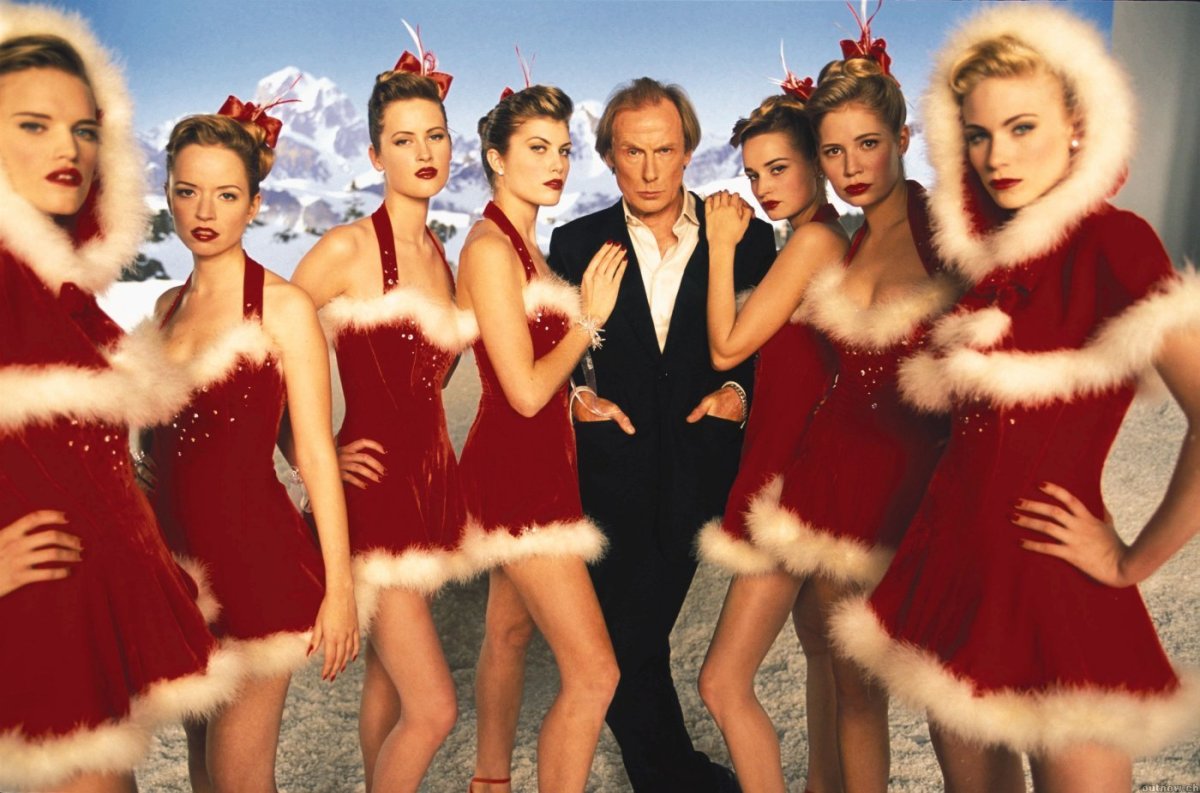
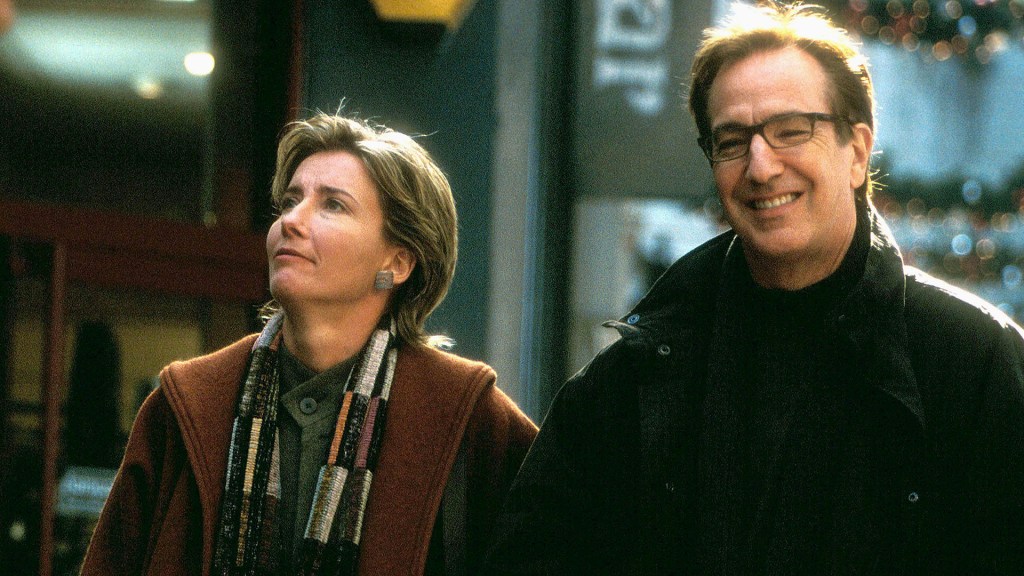
Richard Curtis’ classic is a love letter to London and, to an extent, humanity itself. He masterfully weaves an interconnected series of stories following various residents of the capital, played by what is essentially a who’s-who of British actors at the time, and their pursuit of, well, love. Hugh Grant is a single Prime Minister who falls helplessly (as he so effectively does in most movies he’s in) for his Catering Manager, Liam Neeson is a widower who helps his stepson Thomas Brodie-Sangster (who, fun fact, also voices Ferb) chase his primary school crush, Colin Firth is a writer who, after being cheated on by his wife and running away to France, becomes enamoured with his Portuguese cleaner despite the fact that they understand almost nothing that one another says; the list goes on. Special mention must go to Bill Nighy’s performance as a lewd, aged rocker going for Christmas number one—he is an omnipresent and utterly hysterical presence, marking one of the best outings of one of my favourite actors. As the movie progresses, we slowly see the links between each character grow into a complex web of relationships, adding a sense of unity and connectedness to the whole experience.

Bill Nighy as rockstar and all-around sex icon Billy Mack.

The result is a sort of highlight reel of romance: the first dates, the proposals and the heartbreaks, with the rest of the story having to be left to us to fill in. Love Actually’s wide scope means that unlike most other rom-coms, in which we tend to focus on the exploration and development of one or two relationships, the unlikely couples this movie homes in on get significantly less time and thus tend to be labelled surface-level and incredible by some of Love Actually’s detractors. That’s not how I see it, though: I think its breadth allows the film to cover a whole range of diverse love stories in one tight package. While we aren’t shown the growth of relationships in full, it’s not some compilation of people running into each other, having sex, then suddenly finding happily ever after—although sure, we don’t necessarily see the full build-up of each and every character’s relationships, that doesn’t make them any less believable. Rather than a deep dive into the complications of relationships, then, this film is about expressions of love: I don’t think that comparisons to most other rom-coms really do it justice.

Much like other Curtis screenplays such as Four Weddings and a Funeral, Love Actually’s beauty lies in its honesty. Not all of its stories are perfect—many of them don’t even end happily (which, for a rom-com, is a bold move)—but neither does love in real life. Some explore different types of love to your classic girl-meets-boy: love between friends, siblings, families. The interplay between these and romantic love, often ending in tough and seemingly impossible choices in which our characters have to sacrifice one kind of love for another, leaves us with several bitter, painful and seemingly unjust conclusions interspersed with our feel-good heartwarmers. The thing is, this story doesn’t try to sell you some sort of wildly romantic, intercontinental epic built on impossible coincidences and indescribably instant connections like other seasonal movies might—instead, it tries to provide you a brief window into genuine, human relationships, flawed, raw and dashing though they may be. Yes, there’s cheating and jealousy and death and pain and heartbreak, and the film doesn’t try to hide that from you: those moments of despair are essential elements of its narrative. Above all, though, what Love Actually wants to show us is the scene at its beginning and end, in Arrivals at Heathrow Airport—the joy of seeing those families, friends and loved ones reuniting reminds us that despite all the hardship the world may throw at us, we are all greeted by those same beaming faces once we come home. All of us are loved.

Love, life, isn’t perfect. But that’s what makes it worth living—we need to get through the tough times to reach the good ones. Though Love Actually doesn’t mince its words, its overall message is one of hope: that if we look hard enough, love really is everywhere. Christmas is all about reminding us of that, I think, and few pieces of art are able to express it better. That’s why I come back to it every year—I absolutely adore this film, and I’ll tire of it once I tire of life itself.

For some actual critics who I used as negative references for this piece, look at these:
https://www.vox.com/culture/22189822/love-actually-review-overrated-hugh-grant-liam-neeson-keira-knightley-christmas-holiday-movie
https://www.theatlantic.com/entertainment/archive/2013/12/-em-love-actually-em-still-awful/282273/
https://www.theguardian.com/theobserver/2003/nov/23/features.review137

Image sources in order of use:
https://www.vanityfair.com/hollywood/2019/12/hugh-grant-dance-scene-love-actually
https://www.mirror.co.uk/3am/celebrity-news/bill-nighy-says-love-actually-22103915
https://www.today.com/popculture/emma-thompson-won-t-be-love-actually-sequel-very-sad-t108553
https://www.independent.ie/life/christmas/bairbre-power-ive-only-just-recently-realised-the-hidden-clue-in-love-actually-37642383.html

Categories
Alex

What I Read This Summer

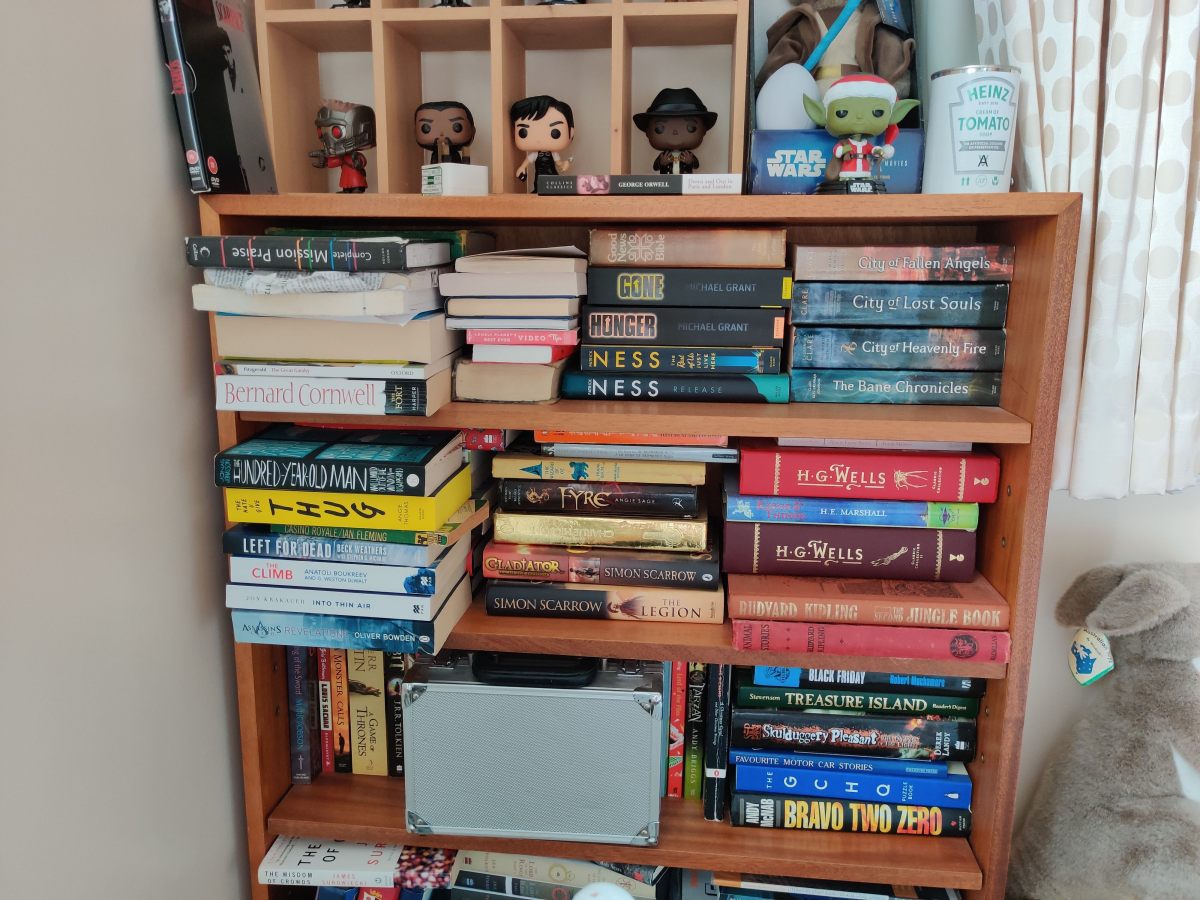
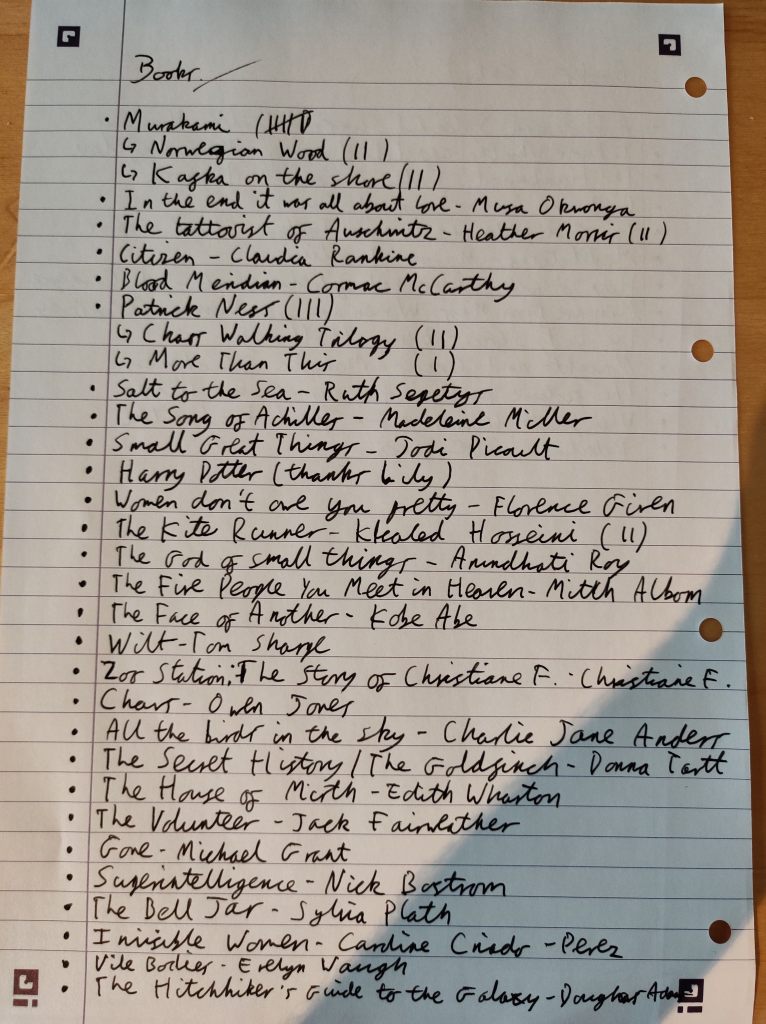
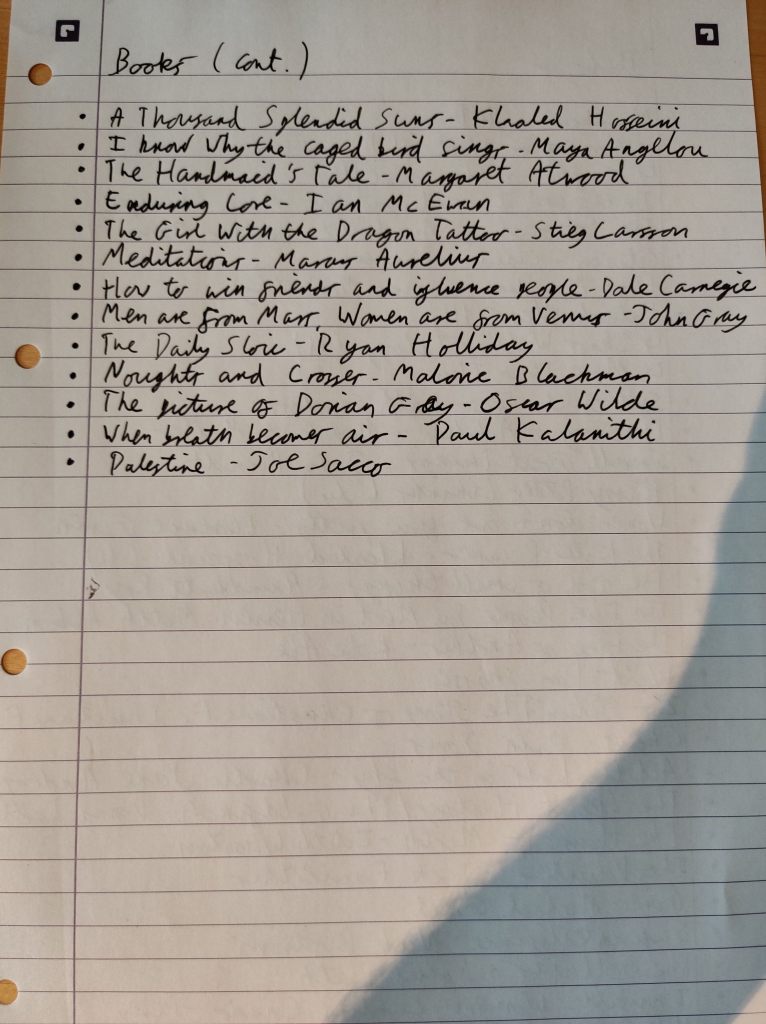
Summer is always the part of the year where I really get the time to sit down and tear through some books. This time, though, I thought I’d do something a bit different, and get you lot involved in the process; so, I made an Instagram story asking for recommendations. I was honestly blown away by the response—I got about 60 different people with suggestions of what to pick up (Images below). It has made it even more clear to me how much books matter to people; after the response, I wanted to share my very quick thoughts on what I did get through in June and July here (and might start doing this kind of thing a bit more in future). It’s in order of when I read and there are a lot of words here, so just click over to what you’re interested in. As for the ones I haven’t got to yet, I haven’t forgotten you; a guy can only get through so many books at a time. Watch this space. If anyone else has or wants any recommendations, get in touch!
–AB, 1/9/2021 x

Full list of reviews:

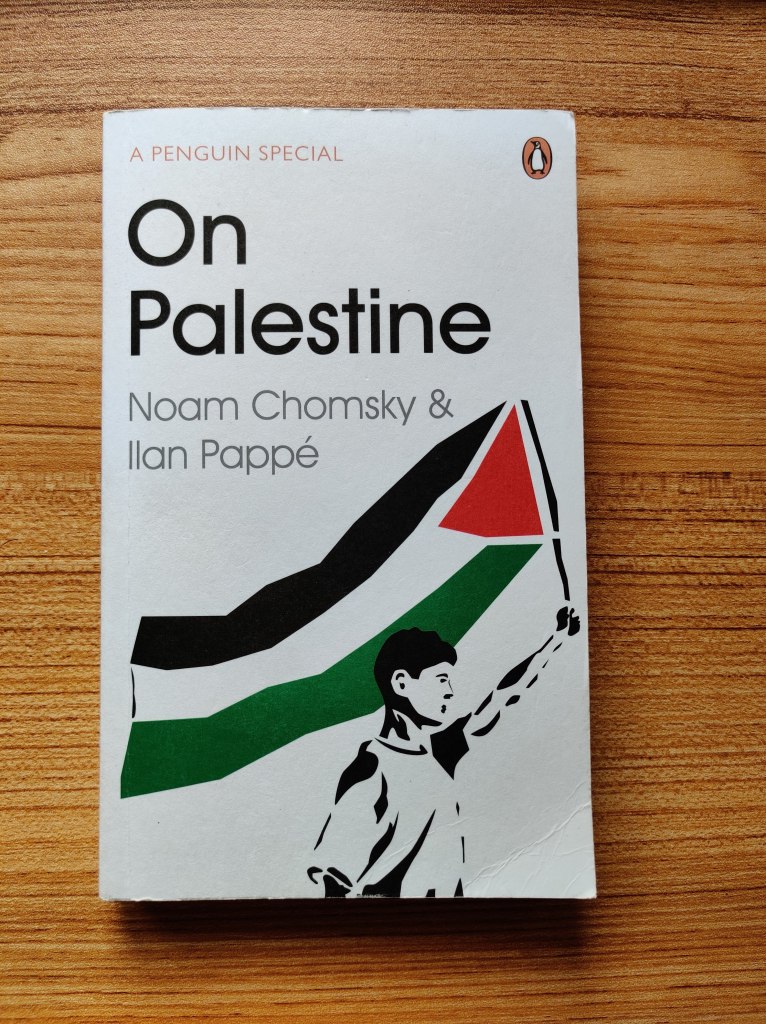
Noam Chomsky, Ilan Pappé, Frank Barat: “On Palestine”
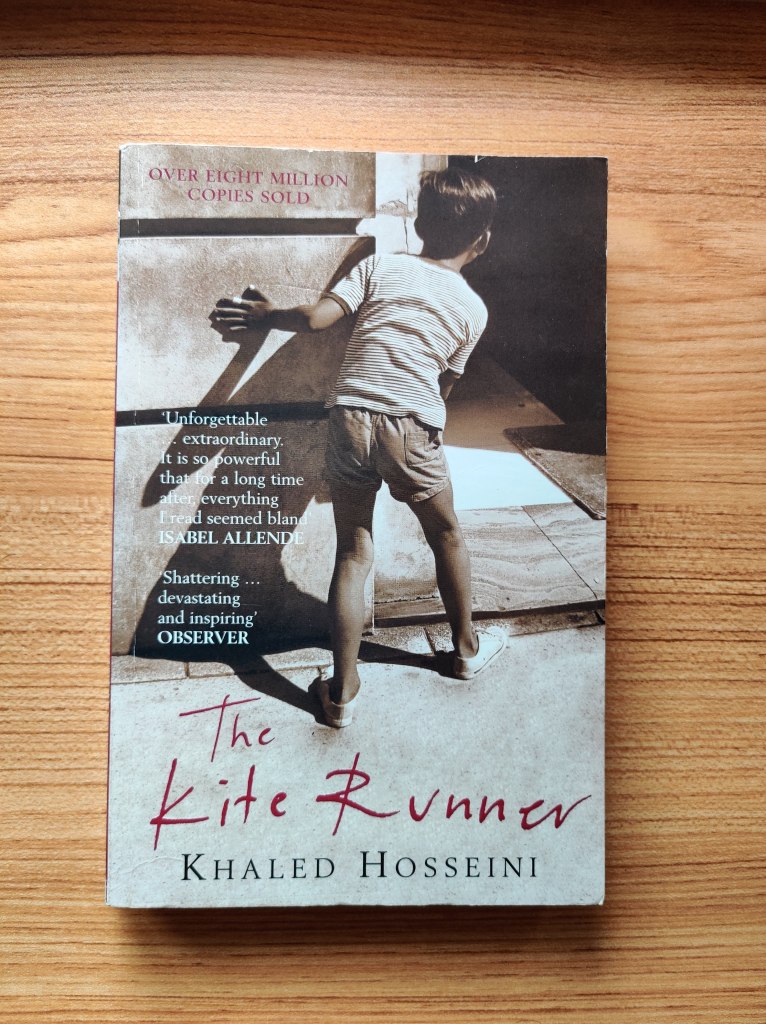
Khaled Hosseini: “The Kite Runner”
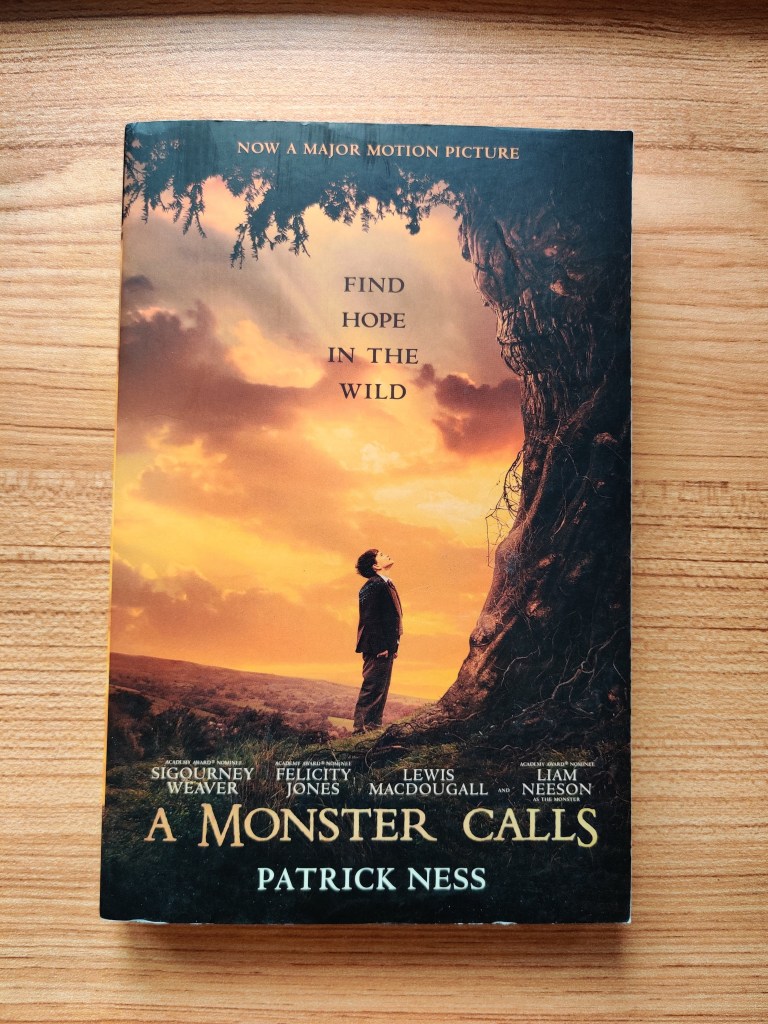
Patrick Ness: “A Monster Calls”
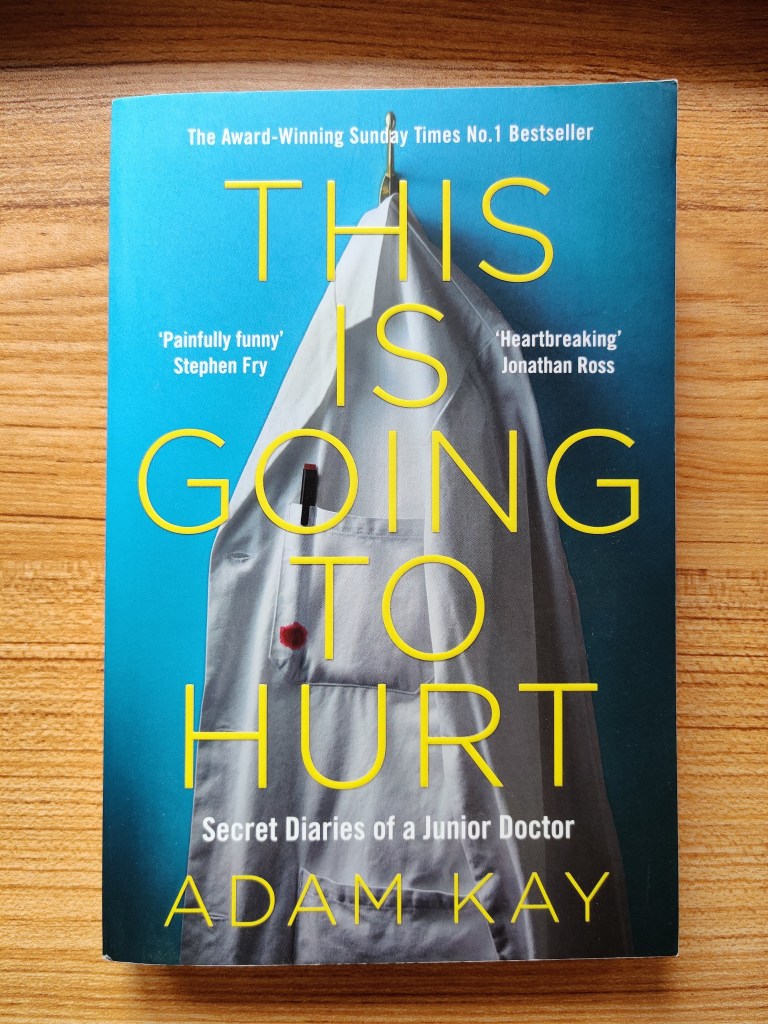
Adam Kay: “This is Going to Hurt: Secret Diaries of a Junior Doctor”
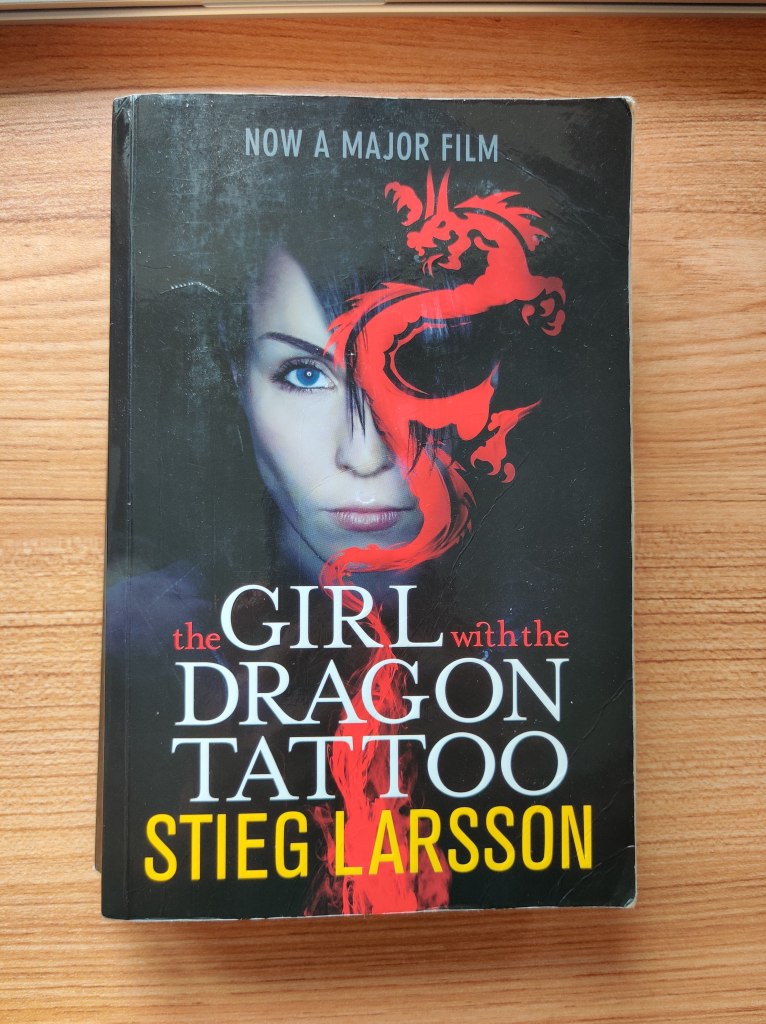
Stieg Larsson: “The Girl with the Dragon Tattoo”
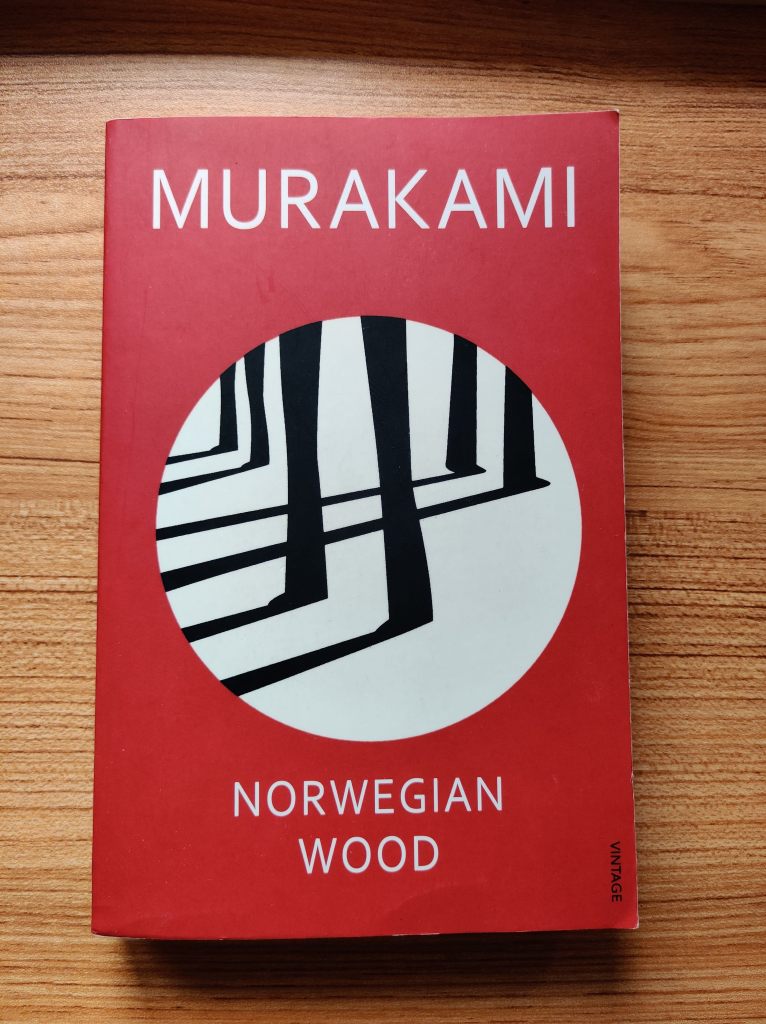
Haruki Murakami- “Norwegian Wood”
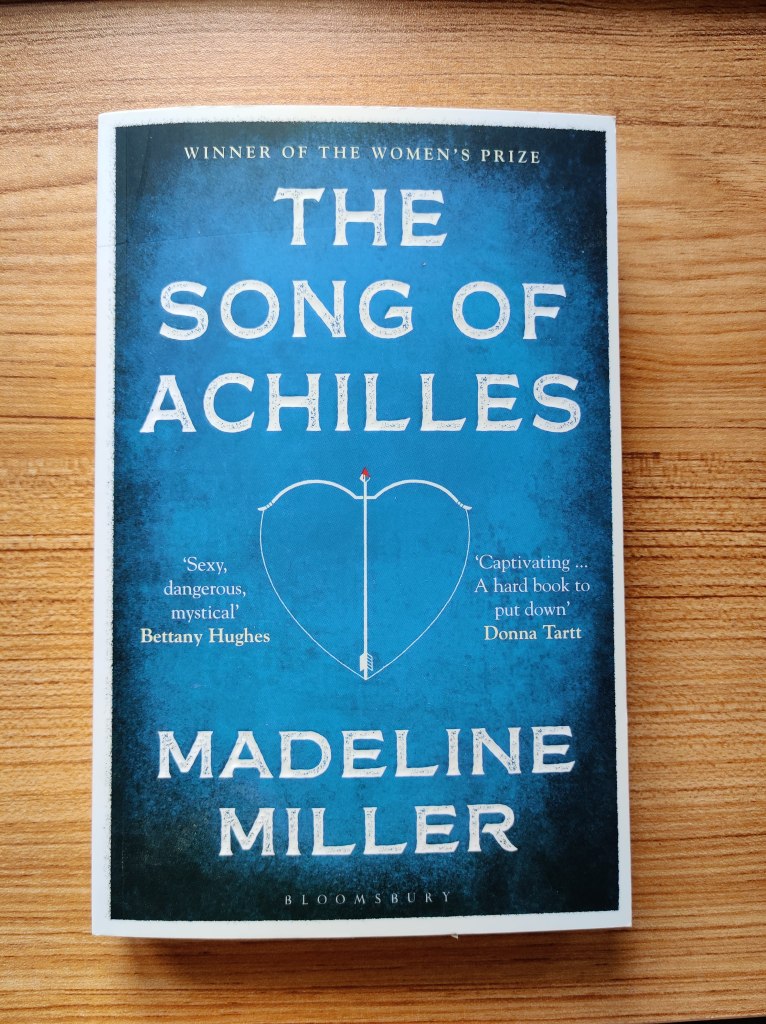
Madeleine Miller- “The Song of Achilles”
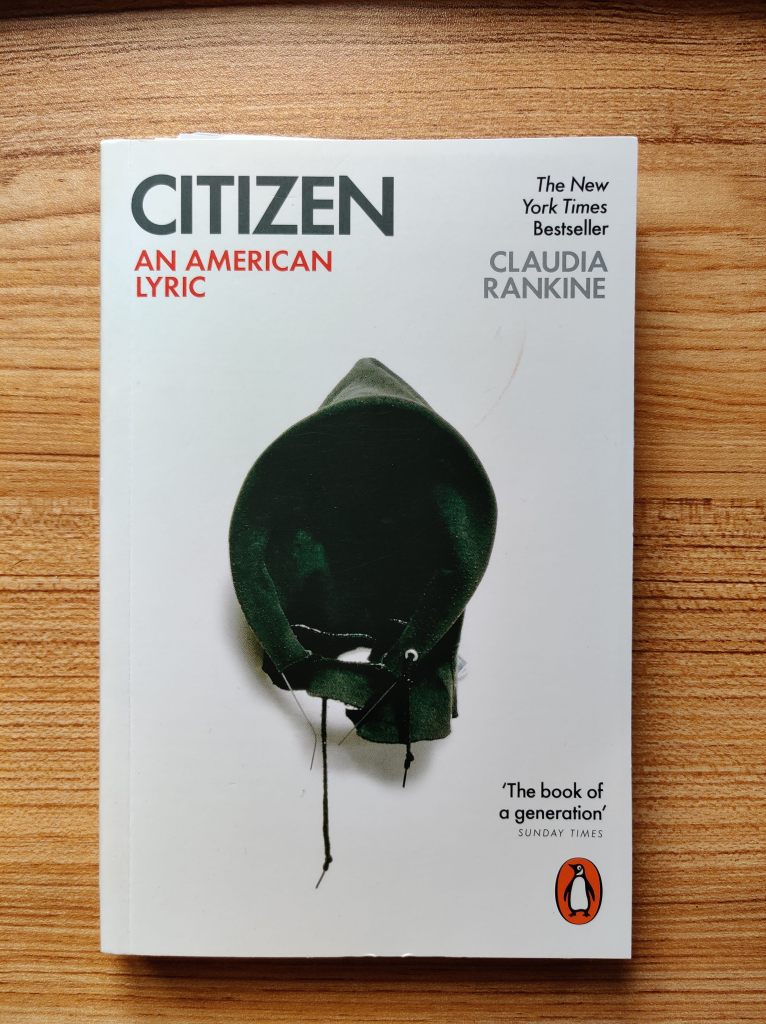
Claudia Rankine- “Citizen”

Noam Chomsky, Ilan Pappé, Frank Barat: “On Palestine”


In May, the world’s headlines (and everyone’s Instagram stories) blew up once again with displays of the atrocities committed by Israel against the Palestinian people. This was one of those issues that I was aware of at the periphery, but had not fully explored, so I decided to educate myself; I came across this on a visit to Lighthouse Books in Edinburgh, and having wanted to read some Chomsky for a while, picked it up.
Chomsky is one of the most important thinkers of our time, with work covering Linguistics, History and Philosophy, while Pappé is an Israeli historian who is extremely critical of the state and its occupation of Palestine. This book was an incredibly interesting read as, though it was written in 2014, gave me massive insight into the situation today (as, honestly, not very much has changed). The book consists of a conversation between the two, led by activist Frank Barat, which covers the past, present and potential future of the Israeli state’s occupation and abuse of Palestine and its people, as well as various articles and speeches by both figures from other sources at the end. It is obviously very biased against Israel (who wants to support a violent settler/colonialist state anyway?) but has provided me with a decent starting point to learn more about the topic. If you want to actually look into and understand the context of one of the most crucial and important conflicts of our time, this is an excellent place to start.

Buy “On Palestine” at Lighthouse Books on West Nicolson Street in Edinburgh or here:
https://lighthousebookshop.com/book/9780241973523

Back to top

Khaled Hosseini: “The Kite Runner”

When I put up my Instagram poll in June, this was one of the most popular recommendations I got. I managed to find it on a bookshelf at home, and got to work.
The best way I could describe this story is one of humanity. The human that the story follows Amir, a child growing up in 1970s Kabul, the capital of Afghanistan, as well as his life as a refugee in the USA after the Soviet occupation sent the country spiralling into decline. Amir is a deeply flawed protagonist; much of the story is driven by his mistakes as much as his successes. This means that you both root for and sometimes hate the narrator of the book—but ultimately, that’s the same as any person. Amir’s sort of reverse foil is his best friend and servant, Hassan; an innocent, pure yet fearlessly loyal sidekick. The story follows their relationship as it is tested and changed by time. The book is likely heavily inspired by the author’s own experience—Hosseini himself fled from Afghanistan from the USA at the same time—but it is this detail that gives the it its riveting authenticity; its descriptions of a prospering Kabul, free of the unbearable heat, violence, and poverty of today, are vivid and captivating—it’s a world I wish I could never leave. This window into the beauty of the past only makes it more heartbreaking as we watch, through Amir’s eyes, the city we have come to love be corrupted and destroyed by people who are, in many ways, as flawed and scared as our imperfect narrator. While this story shows humanities at its best and its worst, its most important takeaway is a glimmer of hope—that of redemption. This is one of my favourite books ever; please read it.
I read and wrote this in June, but I am adding an addendum now given all that’s happened in Afghanistan since. Above all, this book is a love letter by the author to his home: a country he once knew so well but would barely recognise now. The Afghan people have endured forty years of pain and suffering, watching the community, culture and country they love be repeatedly ripped to shreds by insurgents hellbent on destroying it; this book passed onto me the tiniest piece of their immense longing. They deserve a chance to find that home again; I will support them in any way I can.

Buy “The Kite Runner” at Lighthouse Books on West Nicolson Street in Edinburgh or here:
https://lighthousebookshop.com/book/9781526604743

Back to top

Patrick Ness: “A Monster Calls”

Despite adoring the movie and owning several other Patrick Ness books, I don’t think I’d ever actually read this in the past. I got through it in a single sitting (it’s only 250 or so pages) and, though I knew how it would end all along, still teared up a bit by the time I’d finished. This book was actually originally a concept by the author Siobhan Dowd that she never got to write before her death; it was posthumously given to Ness to write. I think he did a fantastic job.
The story follows Conor O’Malley, a thirteen-year-old boy living alone with his terminally-ill mother. In the night, he is visited by a monster who emerges from the yew tree outside his window and arrives to tell him stories. It’s hard to talk about this book without spoiling it too much, but the result is a gut-wrenching tale of a boy trying to find peace in the inevitable and, ultimately, with himself. I find Conor so enthralling as a protagonist because of how much of oneself I think you can see in him; deep down, I think we sometimes all feel like a hurt, confused and lost thirteen-year-old, and Ness captures this sense of hopeless immaturity beautifully. This book didn’t win the Carnegie medal for nothing.

Buy “A Monster Calls” at Topping and Co. on Blenheim Place in Edinburgh or here:
https://www.toppingbooks.co.uk/books/patrick-ness-and-siobhan-dowd/a-monster-calls/9781406339345/

Back to top

Adam Kay: “This is Going to Hurt: Secret Diaries of a Junior Doctor”

I’d known about this book for a while now; my parents read it a few years ago, and I always see posters for Kay’s sold-out show on the Fringe. We had this lying around at home, so I picked it up.
Speaking to my friend who’s applying for a medicine degree, I was told that everyone even dreaming of being a medic has read this book. Having read half of the book at this point, I went on to ask why on earth they still wanted to apply, knowing full well the world they were signing up for; they replied that the scariest and most important part about is that despite the fact that they all read this book, they still choose the degree anyway.
This book is a red flag: it is a warning sign to those who dare follow its path, and an SOS to everyone else, who will never truly understand what our friends are going through. It consists of an edited eight-year diary of Kay’s daily life as he worked as a Junior Doctor—the highs and the many lows that come with the job. He guides us through a pain of hundreds of unpaid hours and ridiculous bureaucracy and the joy of saving lives, as well as the toll taken on his personal life and relationships as a result of it all. All of this is delivered with Kay’s touch of sarcastic brilliance, explaining away impossible-sounding medical terms and the intricacies of the NHS’ system with quips ranging from fiddling priests to Ryman’s stationery to Lego Star Wars. You never know whether to cry at a tragedy or to laugh at Kay’s hilarious jokes about it—regardless, I could read Kay’s entries forever (though I doubt he’d like to go back to the NHS in order to make them). The main thing I’ve taken away, though, is never to underestimate a doctor—they’ve been through more than you know.

Buy “This is Going to Hurt” at Lighthouse Books on West Nicolson Street in Edinburgh or here:
https://lighthousebookshop.com/book/9781509858637

Back to top

Stieg Larsson: “The Girl with the Dragon Tattoo”

This was another one recommended to me from my Instagram; it’s in about every charity shop ever, so I picked up a copy in Rugeley, where I was living at the start of summer. Everyone knows what the deal is with this one, and most of you have probably read it already.
Ignoring the fact that this world is literally just the author creating a projected reality in which he is a master journalist/detective and all women have an inexplicable urge to have sex with him, this was a really good read. The book follows Mikael Blomkvist, a disgraced journalist who is hired to investigate a 40-year-old murder case, and how, along with the enigmatic investigator Lisbeth Salander, his ghost hunt uncovers armies of skeletons in the closet of his employer’s family. It is equal parts mystery and thriller, and has a million aces up its sleeve; as soon as you think you’ve solved one of its mysteries, another twist leaps out at you. This story thrives on the contrast between its uncertainty and intrigue, its gore and violence, and its occasionally profound emotional depth. Its characters are as human as they are unrealistic, its world as understandable as it is complex, and its conclusion is both predictable and shocking. Several times while reading this, I genuinely sat up and shouted “What?!?!”, which should probably tell you enough about how invested I was in the story. At over 500 pages, this isn’t a mild undertaking, but this book lived up to its reputation. I determined I’d read the second in the trilogy as soon as I came across it.

Buy “The Girl with the Dragon Tattoo” at almost any charity shop (apparently), at Topping and Co. on Blenheim Place in Edinburgh or here:
https://www.toppingbooks.co.uk/books/stieg-larsson/the-girl-with-the-dragon-tattoo/9780857054036/

Back to top

Haruki Murakami- “Norwegian Wood”

After being told to read this book by about the whole world (I got recommended Murakami by no less than seven different people on Instagram) I borrowed this one off of my friend, who herself had been trying to get me to read this for ages (although she does prefer the Wind-up Bird Chronicle. Maybe I’ll hit that next?)
I think my favourite stories aren’t ones that focus on superhuman power, flawless heroes and battles to save the world, but the ones about emotions, imperfect protagonists and battles to save themselves (usually from problems of their own causing). There’s beauty in simplicity and relatability, and while a superhero or an apocalypse is great every now and again, the stories that stay with me are those that are seen through the eyes of normal people in our very normal world—a snapshot of the human experience. That’s what Norwegian Wood represents, to me; it’s a tale of love, loss, and growing up that grabs you by the heart and refuses to let go. It follows Toru Watanabe, a university student who has just moved from Kobe (near Osaka in central Japan) to Tokyo in search of a new life, and his relationship with Naoko, his best friend’s girlfriend from home who represents everything from his past that he is trying to escape. Murakami has this beautiful way of writing, too; the indifferent flair to his narration vividly reflects both Watanabe and the world of 1960s Japan, lending the story an irresistible character that I couldn’t put down. This is one of those books where you can see the conclusion coming from a mile away, I think, yet still find impossible to pray that the inevitable won’t happen; it’s utterly immersive and gut-wrenching, and makes you nostalgic for a youth, country and time that you have never experienced yet come to fall in love with. What’s good enough for Harry Styles, Andrew Yang and half of my Instagram followers (apparently) is more than good enough for me; I believe the hype on this one.

Buy “Norwegian Wood” at Lighthouse Books on West Nicolson Street in Edinburgh or here:
https://lighthousebookshop.com/book/9780099448822

Back to top

Madeleine Miller- “The Song of Achilles”

This is another one that got recommended to me a good few times, so I grabbed it while down in Bath at the lovely Topping and Co. outpost there (there’s also one in Edinburgh, just on Leith Walk, which you must visit if you haven’t).
Quite the opposite from Norwegian Wood, The Song of Achilles is the story of the mythical hero, told through the lens of his close friend and eventual lover, Patroclus. This is a world of legend; Gods walk among men, mighty kingdoms with lauded leaders wage war and settle for peace, and homosexuality is even mostly accepted (Maybe things were better in 2000BC after all?). Our protagonist Patroclus is an exiled prince who, after being taken under the wing of Achilles’ father, Peleus, develops a lifelong relationship with the boy, following him from the palace of Phthia to the gates of Troy. Despite the far-flung setting, the lens that is provided by Patroclus, a weak, clumsy and decidedly non-legendary man, grounds the story and allows us to feel, through him, at home in this land of Gods and Kings. Miller masterfully reinterprets and bends the legend of Achilles, relying heavily on Homer’s Iliad, into a tale that feels exciting, fresh and poignant, while still remaining faithful to the source material. Making Achilles and Patroclus openly gay, too, is something I have to touch on entirely because of how natural it feels; not only does it fit with the story, but the addition of this profound emotional relationship with his canonical best friend provides a level of depth and humanity to Achilles that no other version of him properly manages to provide. That’s serious testament to this story, and Miller’s telling of it. Though this book didn’t touch me emotionally in a way that many of the other ones I’ve read have, I am still really glad I picked it up; if you liked Percy Jackson, especially, I think this pulls off what that tries to do far better.

Buy “The Song of Achilles” at Topping and Co. on Blenheim Place in Edinburgh or here:
https://www.toppingbooks.co.uk/books/madeline-miller/the-song-of-achilles/9781408891384/

Back to top

Claudia Rankine- “Citizen”

A year ago, affected especially by the death of George Floyd, I, like just about everyone else, read a copy of Reni Eddo-Lodge’s “Why I’m No Longer Talking to White People About Race”. That book is an incredibly common choice for a reason; it offers a comprehensive introduction to the academic side of modern racial inequality in the UK, from slavery, to education, and with some intersectionality thrown in there as well. It actually set me up for my study of Politics at university much more than I ever expected, and had a decided impact on my worldview today.
Citizen, though, takes a very different lens to the problem—Rankine here attempts to convey the emotional side of the Black female experience, how it feels rather than what it objectively is. This essentially takes shape as a long-form poem, split up into several sections, each covering a certain part of the “othering” faced by people of colour in the West, how they are constantly made to feel like they don’t belong by people who barely seem to realise or care about the fact that they’re doing it—as she puts it, a stark reminder of being coloured person against a white background. At about 200 usually half-empty pages, this was a super quick read, which only leads me to recommend this even more. I am never quite sure how to react to books such as this; it was something that I absolutely adored reading, yes, but the issues that it covers are so incredibly unjust that it almost feels wrong to say that I loved this as a whole. I did, though; this does an incredible job at capturing this facet of humanity, as unfair and horrible as it is—it is an extremely powerful read. Though as a white person living in a white world, the experiences Rankine outlines so impactfully here are ones that I won’t ever be able to fully understand, I now feel that I am that slight bit closer. This is one of those books that I think almost anyone should read (in fact, I gave it to my Mum almost immediately after finishing it). This is one of the most impactful books I have read in a long time, and I wish I could write with the raw yet sophisticated emotional efficacy that Rankine has.

Buy “Citizen” at Topping and Co. on Blenheim Place in Edinburgh or here:
https://www.toppingbooks.co.uk/books/claudia-rankine/citizen/9780141981772/

Back to top

Categories
Alex Archive

Archive: Life After King’s

A few months ago, my school got in touch with me asking me to write a piece for their newsletter about what I’d been up to since leaving last June; this is what I came up with. There’s a bit of life updating and a lot of reflection on how Covid has (somewhat) changed my life trajectory, similar to earlier pieces I wrote while I was still at school. If you’re reading this when it drops, make sure read my new piece too; otherwise, enjoy, I guess.
–AB

A lot can change in a year.

I am sat writing this on a cold Edinburgh evening, watching the snow melt outside the window of my university accommodation. I am eternally envious of my friends on the floors above me, who get views of city rooftops on one side and the familiar silhouette of Arthur’s Seat on the other, while I spend my nights looking out into the street and the block of flats opposite. Even though it’s not quite as idyllic as my friends’, or even as Bruton, it’s something that, for the time being, has quickly become home; if nothing else, watching the vast array of random passers-by on the street is an everyday reminder that I’m not alone.

A year ago, I left King’s for the February half-term having had a whirlwind of a month, from the House Music to the rapidly-approaching debate final to my 18th birthday just a few days before. Covid-19 was still confined to the backs of minds and jokes on the Internet. Unbeknownst to most, it was about to send most of our lives upside down—mine especially since I was about to be taking my A levels and leaving school. As far as I was aware at the time, I was headed for a pretty normal future. I was still waiting on my offer from Edinburgh, where I already had my heart set on going to study Politics, Philosophy and Economics, and was anxious to do as well as I could in my exams to ensure that I met the requirements. I was terrified by but looking forward to my last term at school and the chance to conclusively close five years of dedication to its community. What I did not happen to expect at the time was that that all would disappear within a number of weeks.

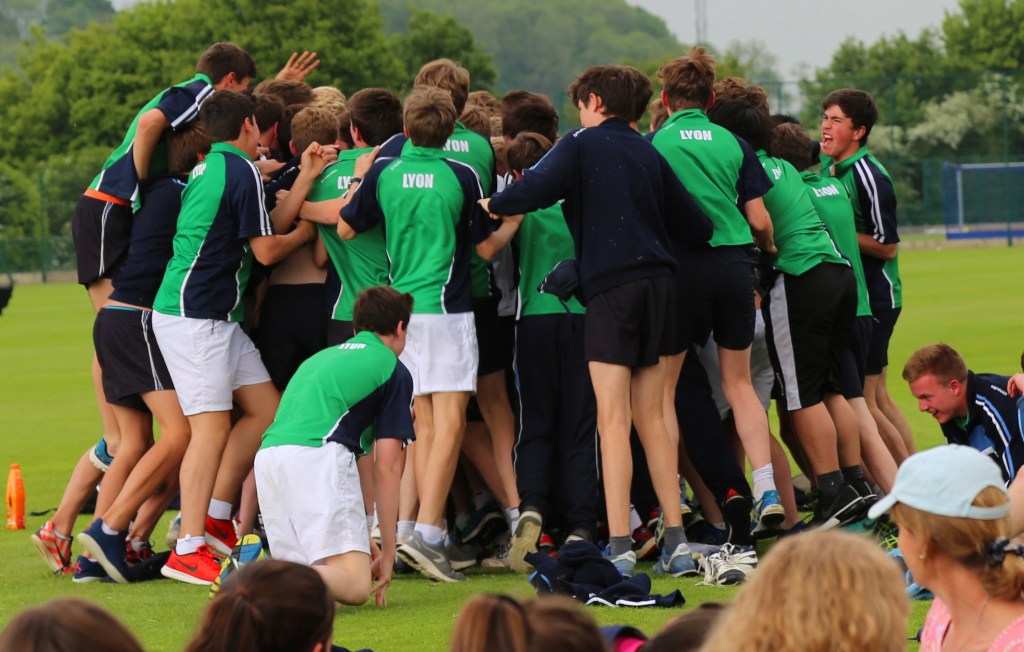
March 18th, the day A levels and GCSEs were cancelled, remains clear in my head; I remember watching the press conference in the Lyon House common room and feeling the whole room be struck by a wave of uncertainty (on top of our admitted elation). The subsequent months of the first lockdown are, I think, going to be ones we reflect on a lot in years to come. What struck me most about them was how they granted the world a time to press pause, and reflect on where we all were, what we were doing, and where we were going. Perhaps, as someone caught between two such important points, this effect was more prevalent for me; despite its obvious major impacts on me in that light, I was anxious to see that those whose livelihoods had been seriously adversely affected were supported through it all. Otherwise, I spent my copious amounts of new-found free time over summer playing American Football with my brother, reading to prepare for my university course, and writing articles for my blog. I also got a buzzcut, which I am sure would’ve been to Mrs Grant’s utter dismay (she will be relieved to know that my normal hair has subsequently grown back, however).

My experience at university so far has obviously been pretty different than your usual. My room is my new library, my computer screen my lecture hall, and my kitchen my nightclub. I think it would be pretty easy to get bogged down in the negatives of how impacted and changed my life has been by this new world we’re living in, but I have tried my utmost not to; honestly, I am still loving every second of my time here. I really miss King’s in so many ways, but the move up here has been a refreshing change of scene; being able to live independently, especially in this beautiful city with which I am already in love, is a dream come true. I’ve even managed to cook for myself, something which I strongly doubted I’d be able to manage (but trust me when I tell you that I miss the King’s catering department more than ever). I love my course, and I find myself more excited to learn every day than I’ve ever been before; despite the fact that I dream of in-person lectures, I am reassured that they will one day be a reality (although preferably sooner rather than later).

In May, I wrote a piece for the Dolphin about lockdown, and how it had flipped the world on its head, but more importantly about how it had brought everyone together; there was a certain nationwide atmosphere of solidarity, and a common belief in embracing the hand we’d all been dealt. If I’ve learned anything since leaving King’s, it’s that—though on my last day at school I could never have seen this year going the way it has, the best thing I can do now is to make the most of what I’ve got. Life doesn’t always go the way that you’d hope or expect; sometimes, the only thing you can really do is just live it, and know that that’s enough.
–16/02/2021

The Meadows. Edinburgh, February 11th, 2021. Photo taken by me (for once).
Categories
Alex Featured

19

Today, I turn nineteen.

It isn’t a particularly important age for most people, I imagine; the afterburn of an eighteenth year full of change, from school to the real world (or halfway there, at least), from a child to something resembling an adult. I guess that turning this age also holds a lot of that for me—more than anything, Covid has led to this year being an even harsher cacophony of ups and downs, often in quick succession, and my birthday marks nearly a year since it all started. In my case, though, nineteen holds a certain significance. To explain that, I’ll need to tell a story about a friend of mine.

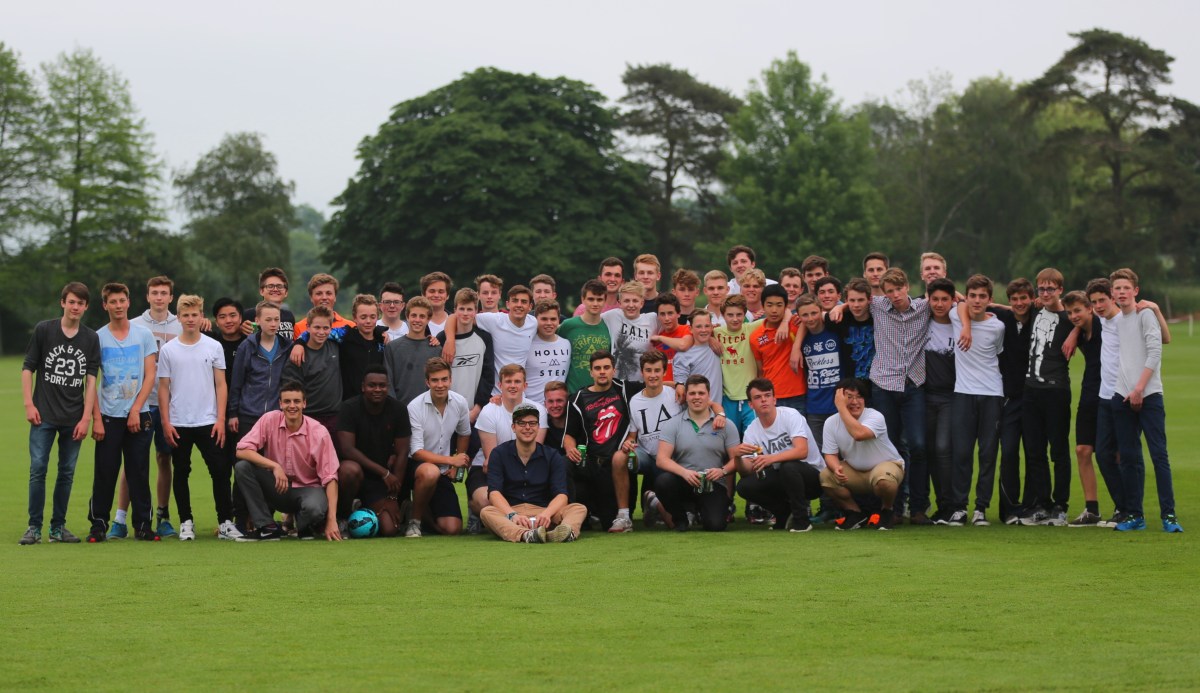
Lyon House, 12/02/2019.

A lot of you will know his name, but that’s not important: for the purposes of this, I’ll just call him J. By all means, I never actually knew J very well; when I joined my senior school aged thirteen, he was in his final year there. He seemed to have everything: he was Head Boy, captain of the school’s first-ever undefeated rugby team, and a living legend around campus. But what always stuck out to me was how despite all of his achievements, he was incredibly humble and down-to-earth—seeing him daily in our close-knit boarding house, he would never look down on us, the youngest in school (as most older kids, out of pride or perhaps insecurity, tended to). Sure, we never felt like equals, exactly, but more importantly he made us feel like we mattered; knowing he’d been at the forefront of pushing greater mental health awareness in school over the years, we all knew that if we ever had a problem, he would always be there to listen.

My memories of the guy are mostly pretty positive: I remember watching him charge down the rugby pitch in the final match of the season, fearlessly acting as an Eastern European maid in our house play (though the cast’s abilities were questionable, you will never see as many penis jokes in a single 90 minutes in your entire life) and screaming at the latest twist on Game of Thrones on a Monday night. As a kid, I never really got to see the other side of him: I am not sure that many did (though looking back, most of our house, at least, seemed to somewhat know). Hearing about his death, then, came to me as an incredible shock.

It’s as if it were last week, or maybe a month ago: the afternoon remains crystal clear, imprinted in my mind. It had been announced in the morning that the whole school was meant to meet later in the day: which, for a Thursday, happened to be pretty odd. I knew it was serious, obviously (this kind of thing hasn’t occurred before or since), but had absolutely no idea what was coming. At athletics that afternoon, I discussed the affair with my mates while (pretending to be) training our triple jump in the lazy, English summer sun: we decided another friend of ours had probably been busted for drugs (he’d been searched that morning and, turns out, had somehow managed to get away with it). Nonetheless, we thought, a whole school meeting would be a bit overkill, and so nobody was really sure what was going on—we should have taken the news that one of his teachers had been seen in tears that morning as a warning sign.

An ominous mood hung over the school as the Headmaster stood up to speak. He kept it brief: he announced that earlier that morning, he had heard of J’s death while on a gap year in Vietnam. He didn’t tell us how it happened: my naïve, fifteen-year-old mind wouldn’t fill that bit in until later. While I don’t recall his exact words, I can still feel the punch to the gut that I sensed the whole room, especially our house, most of whom had been living with him less than a year before, take as the news hit us; I remember the eerily silent, ten-minute walk back to our boarding house, as sixty boys tried to come to terms with their friend’s death; and I remember us getting back, collapsing onto the various benches that had been assembled outside to greet us, and crying, unable to believe that someone we looked up to and cared about like a brother could be so suddenly and unexpectedly gone.

He was nineteen years old.

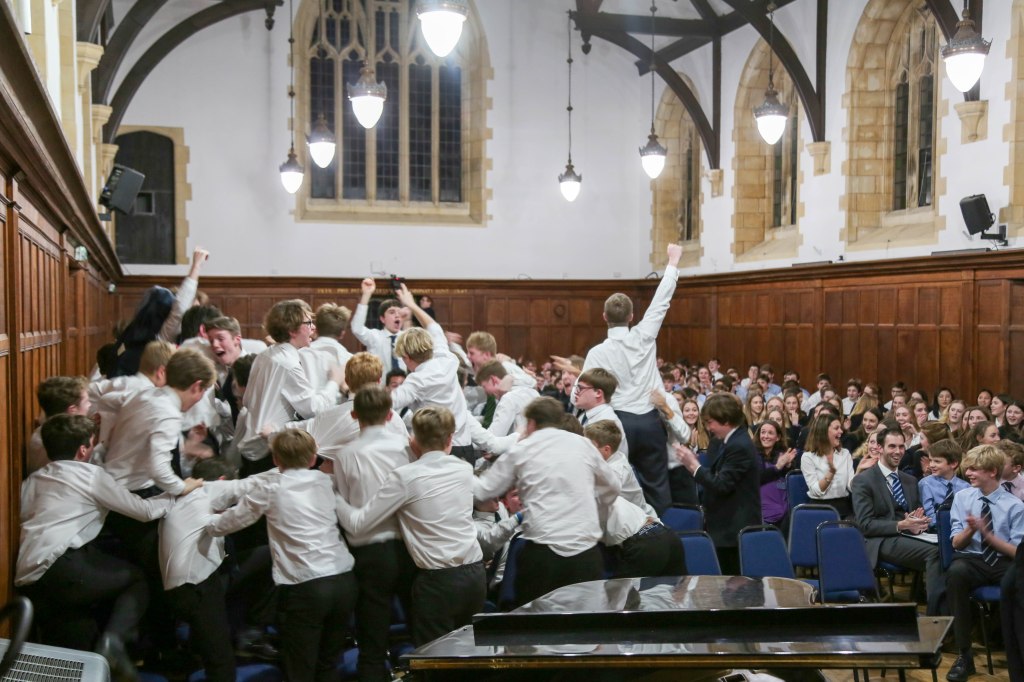
Lyon House, 27/5/2016.

I mentioned before that me and J didn’t have a very close relationship. Given our ages, that was inevitable, really; while being in his house meant I knew him better than most, it’s not like we were best mates. What he did represent for me, though, was a role model. When he was at my school and in the years after he left, I looked up to him immensely; when I was that age, I thought, I wanted to be something like him. Sure, I never made Head Boy, and I was nowhere near captaining any rugby teams (never mind an undefeated season). But before and especially after what happened I was always determined to, if nothing else, try to live up to the way he inspired me, and instil that same inspiration in the kids who came after me. Because more tragic than the fact that I knew he would never be able to play another game of rugby, or see the end of Game of Thrones (although that was almost definitely for the best), was the fact that his memory would one day fade. I wanted to be a part of keeping it alive somehow, even if indirectly.

Looking up at J aged thirteen, I saw someone with the world at his feet. At nineteen, I feel just about as directionless now as I did then and I’m sure he felt nearly 4 years ago. But what’s changed is that we finally are, in a way, equals; today will be as close as I’ll ever get to seeing the world through his eyes. And in that respect, I think that my vision of his story, too, needs to change. After all, I’ve grown out of my school: my time at university has already had a huge effect on me, and starting to grow up has given me the chance to take a new perspective on the childhood I’ve left behind. Maybe now, the best way to keep his memory alive is not within some tiny country school, but beyond, in the world, by trying to change what led to his tragedy in the first place. By encouraging conversations about mental health. By deconstructing the toxic masculinity behind the struggles of him and those close to him in accepting his sexuality. By reminding people that any life, especially one as bright and inspirational as his, never deserves to be thrown away. While that’s a big ask, one I could dedicate my entire life to and still not achieve, making a difference starts with the small things; I guess that this piece is one of those.

Today I turn nineteen, and as I grow older, I realise that his is a story that I don’t need to hide behind anymore (people who have known me long enough are sick and tired of it, at this point). Nineteen is where his story ended. But mine hasn’t: I am determined to make it a force for good, in the memory of him and so many, too many, other victims of male suicide. Being a man is more than simply masculinity: looking back, I see that J carried that message, from the rugby field to the boarding house to the stage and beyond, and if nothing else, he passed it on to me. I intend to live by it. If you’ve made it this far, the most important step that any of us can take is simply to check on your mates. We, I, don’t do it enough; it’s always “what’s going on?” and never really “how are you?” And even if they’re fine, I promise that even being asked can make a world of difference—knowing someone cares about your problems does so much to lighten their load. Again, it starts with the small things; but if we can change even one person’s day for the better, every day, it stacks up. When you feel totally alone in the world, the reminder that even one other person is there with you can be all that you need.

Like all of us, J faced many challenges in his life; though he responded to all of them valiantly, in the end it was the battles inside of him that became too much to bear. I can never fully understand, but today marks the closest I’ll ever get to it—I want his memory to help me make change, however small. And I know that if I, or you, can make a difference in at least one story like his, he will be looking down with pride.

Lyon House, 10/06/2016.

“If”

If you can keep your head when all about you   

    Are losing theirs and blaming it on you,   

If you can trust yourself when all men doubt you,

    But make allowance for their doubting too;   

If you can wait and not be tired by waiting,

    Or being lied about, don’t deal in lies,

Or being hated, don’t give way to hating,

    And yet don’t look too good, nor talk too wise:

If you can dream—and not make dreams your master;   

    If you can think—and not make thoughts your aim;   

If you can meet with Triumph and Disaster

    And treat those two impostors just the same;   

If you can bear to hear the truth you’ve spoken

    Twisted by knaves to make a trap for fools,

Or watch the things you gave your life to, broken,

    And stoop and build ’em up with worn-out tools:

If you can make one heap of all your winnings

    And risk it on one turn of pitch-and-toss,

And lose, and start again at your beginnings

    And never breathe a word about your loss;

If you can force your heart and nerve and sinew

    To serve your turn long after they are gone,   

And so hold on when there is nothing in you

    Except the Will which says to them: ‘Hold on!’

If you can talk with crowds and keep your virtue,   

    Or walk with Kings—nor lose the common touch,

If neither foes nor loving friends can hurt you,

    If all men count with you, but none too much;

If you can fill the unforgiving minute

    With sixty seconds’ worth of distance run,   

Yours is the Earth and everything that’s in it,   

    And—which is more—you’ll be a Man, my son!

-Rudyard Kipling

Images
All images used are from the King’s Bruton Flickr, where they can still be accessed:
https://www.flickr.com/photos/kingsbruton/
Though they feature my likeness (go have a look if you missed me), they are not owned by me. All credit goes to King’s, their rightful owner.

Categories
Alex Archive

Archive: “A Generation, Lost in Space”

I thought I’d take a minute to backlog a few pieces I had written earlier this year for my school magazine. This one is about lockdown and its effects on the teenage generation; it’s a bit sappy (it was a school magazine, alright) but it was a fun one to write. See if you can spot all the references (they took a lot of effort to fit in). The other archive piece should follow tomorrow; I’ll try and get some new main articles out soon.
–AB

Call it the day our music died; on March 20th, 2020, in a move not made in over 130 years, the UK government cancelled all GCSE and A level exams for this summer. The news was hardly unexpected; the exponential spread of covid-19 had already caused the government to shut all schools as potential viral hotbeds that Wednesday, and most universities had already closed their doors. But what this move effectively did is leave hundreds of thousands of teenagers and schoolchildren totally aimless— the focus of their lives, the goal of years of their work, had been swept from underneath their feet.

But though our summer swelter will be endured, for the most part, indoors and separated from our friends, we haven’t let that crush our spirit. Facing indefinite months in isolation, I spoke to my friends about how they were going to pass the time; I was shocked to find many already had plans in place, from learning Chinese flutes, to picking up new languages or running every day. I resolved to attempt to emerge from lockdown somewhat prepared for University and learn to cook (I can report that so far, zero kitchens have been destroyed in the process). I’d honestly expected most people to give up and sunbathe (an equally tempting option), so seeing them plan to put their time to good use was heartening.

But not only have we bettered ourselves; many have made efforts to emerge from their fallout shelters to better their community, too. Within days of lockdown beginning, teenagers (and even some teachers) had banded together through social media to nominate each other for a “Run 5, Donate 5” campaign where over £5.6 million was raised for NHS charities. And this was only the start; through making masks, social media campaigns, and volunteering to deliver shopping or even just call those who are, unfortunately, spending these months alone, our weeks divided as a school community have been spent making a difference at home, wherever we may be.

And though we’re split apart, these events have brought our nation, and our world, closer together. I now speak to my grandparents and cousins more than I ever did before (for the most part through the now-ubiquitous online quiz); neighbours seem friendlier, and my friends less far away. I suppose that lockdown, more than anything, has brought us all together, because we’re all in it together. In a way, right now we all are in one place, facing the problems of social isolation, economic insecurity, and fear of the virus; but in sharing that experience, we’ve all become that bit closer to one another. Of course, those of us who go to King’s are in a much more privileged and safe position than most in the midst of lockdown; but I think that this situation has given us space to reflect and build empathy and awareness for those less fortunate than us. I hope that this crisis will indeed give us time to start again, as a generation and as a country, and build a more understanding and united world.

For many of us, lockdown has taken away the ends of our school careers, and some of the most important summers of our lives; holidays and gap years have been postponed, and any whiskey (and indeed rye) and singing will have to be enjoyed with our parents, not our friends. In March, when this all began, I was worried a community usually so active and connected would end up becoming isolated, depressed and broken. Yet what the past few months have created is a sense of unity and responsibility; though our exams and our school, for the moment, may be gone, we have found new meaning in embracing the situation we’ve been placed in. And though the courtroom is indeed adjourned as to when we will be able to see each other again, and our music may have gone quiet for now, it is anything but dead; to hear that, you only need listen every Thursday.
–04/06/2020

Categories
Alex

Alex’s Blog

I’m Alex, and I study PPE; that’s Philosophy, Politics and Economics. I like to think it’s how the world works, with each part representing a part of how businesses and governments think:

  • Philosophy: The vision, the ideology behind every decision,
  • Politics: The idea, how that vision is going to be realised,
  • Economics: The process, how that idea is going to be brought into the world.

It fascinates me so much because it gives me the chance to understand and learn from so many other people’s perspective on the world and what’s going on in it.

I guess I’m making this blog as somewhere to add my own.

-AB, 13/01/20